
8 Reales Carlos III 1762 (Mexico Mint): Value & Silver Content
The 8 Reales Carlos III 1762 : Value & Silver Content is worth between $749 and $3,153 MXN depending on its grade of preservation.
Prices updated: August 2026
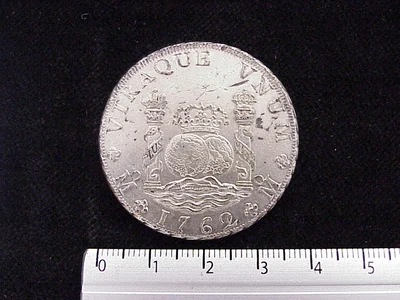
Overdate 2/1
Overdate 2/1
The 8 Reales Carlos III 1762 : Value & Silver Content is worth between $749 and $3,153 MXN depending on its grade of preservation.
Prices updated: August 2026
How much is the 8 Reales Carlos III 1762 (Mexico Mint): Value & Silver Content worth?
The estimated value of the 8 Reales Carlos III 1762 (Mexico Mint): Value & Silver Content ranges from $749 (circulated, XF) up to $3,153 (official blister pack), with $2,279 as a reference for an uncirculated (UNC) piece. The estimate is based on the official mintage and the historical behavior of the family.
The real price depends on four factors: the grade of preservation (a circulated piece is worth the low end of the range; an uncirculated one, or one still in its official blister pack, the high end), the finish (satin vs mirror/proof), the rarity within the series based on the mintage, and the metal spot price on the day of the deal when the piece is silver or gold. Check the value-by-grade table above and compare with equivalent pieces before buying or selling.
Where to buy or sell this coin?
Browse the national directory of numismatic shops or the community forum to trade directly with other collectors.
Description
If you inherited a large, heavy silver coin with a bust of a king and the date 1762, you likely have a Spanish colonial 8 Reales struck at the Mexico City mint. In 2026, a circulated example is worth roughly 40 to 150 dollars for its silver alone, and a sharp, well-preserved piece can bring several hundred to over a thousand dollars.
This is the coin the world knew as the "Spanish dollar" or "piece of eight." It circulated across the Americas, Asia, and Europe, and it was the direct ancestor of the US dollar. Let's get to what yours is worth and how to check it.
What you actually have
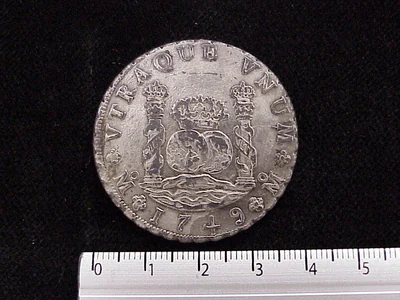
The 8 Reales of Carlos III dated 1762 was struck in Mexico City (the busiest silver mint in the Spanish Empire). Key facts to confirm you have the right coin:
- Metal: silver, .900 fine (90% silver)
- Weight: 27.21 grams
- Diameter: 39 mm
- Edge: laureate (a leaf pattern around the rim, an anti-clipping security feature)
- Catalog reference: KM#105
- Assayer initials: MM (the mint official who certified the silver content)
The "8 Reales" was the standard large silver trade coin for centuries, and Mexico produced more of them than anywhere else. That high production is exactly why most surviving examples are common and priced close to their silver value rather than as rarities.
What it's worth in 2026
Value is driven by three things: silver content (the floor), condition, and how clean the strike and design details are. Because these circulated hard, most surviving coins are worn.
| Condition | Description | Approximate value (USD) |
|---|---|---|
| Heavily worn / damaged | Smooth surfaces, scratches, holes, cleaning | 30 to 60 |
| Circulated (fine to very fine) | Clear date and bust, honest wear | 60 to 200 |
| Nice, high detail (extremely fine) | Sharp features, minimal wear | 250 to 700 |
| Uncirculated / certified mint state | Full detail, original luster, graded | 1,000 and up |
The silver in the coin sets a hard floor. At 27.21 grams of .900 silver, it contains about 0.787 troy ounces of pure silver, so no genuine, undamaged example should sell below its melt value. That melt figure moves with the silver market, but it means even a worn coin is worth real money.
An important note on this specific date: the 1762 Mexico City 8 Reales exists in variations, including the "pillar" (columnario) type showing two globes between columns, which collectors prize far more than a plain worn example. If your coin shows the two hemispheres and pillars design in good shape, it can command a strong premium over the table above. Have it checked.
The myth: "it's from the 1700s, so it's worth a fortune"
Age does not equal value. Millions of 8 Reales were struck, and many survive. A worn, common-date colonial 8 Reales is worth its silver plus a modest collector premium, not thousands of dollars. What actually pushes the price up:
- A rare date, mint, or variety (some years and assayer combinations are scarce)
- High grade (uncirculated coins are far rarer than worn ones)
- A recognized "pillar dollar" type in strong condition
- Authentication (a certified genuine coin sells for more than an ungraded "trust me" one)
If a listing or a relative told you the coin is worth tens of thousands, treat that as unproven until a professional grade confirms it.
How to tell if yours is genuine
Fake and reproduction 8 Reales are extremely common because the design is famous and valuable. Check the basics first:
- Weigh it. A jeweler's scale should read close to 27.21 grams. A coin that weighs significantly less is suspect. Overweight or magnetic pieces are fakes.
- Measure it. Diameter should be about 39 mm.
- Check the edge. Genuine coins show the laureate (leaf) edge, not a plain or reeded one.
- Study the engraving. Compare the bust, lettering, mint mark, and assayer initials (MM) against verified reference images. Modern copies often have soft, mushy details.
- Be skeptical of bargains. Any offer well below the silver value is a warning sign, not a deal.
If anything looks off, get it authenticated before you buy or sell. A grading service or a reputable dealer can confirm it quickly.
Where to sell it
Because this is a precious-metal coin, sell where the piece is examined and weighed in front of you, not sight-unseen to the first online buyer.
- A verified numismatic shop from the Pesoteca directory can appraise it on the spot.
- The Pesoteca buy-and-sell forum connects you directly with collectors who understand colonial silver.
- For a potentially high-grade or pillar-type example, consider professional grading first, since a certified coin sells for more and faster.
Photograph the front, back, and edge in good light before you sell, and compare your grade against the table above so you know your floor. If you think you have a scarce variety or a striking error, post clear photos in the Pesoteca forum and let the community weigh in before you let the coin go.
Historical context
This piece belongs to the reign of Carlos III of Spain (1759-1788). An enlightened king, he promoted the so-called Bourbon Reforms that reorganized administration and finance in New Spain.
The government of New Spain in 1762 was headed by Joaquin de Monserrat, Marquis of Cruillas, coordinating defenses against the British attack on Havana.
The numismatic type of the piece is pillar (columnario), officially introduced in New Spain in 1732. The reverse shows two crowned globes between the Pillars of Hercules with the motto PLVS VLTRA, and for the first time the coin was struck on a screw press with a laurel edge, which reduced fraudulent clipping of silver and made the pillar real the most trusted trade coin of its time.
The Mexico City Mint formally introduced mechanized striking of pillar reales in 1732, and from then on the crowned Mo mark was accompanied by the assayer's initials. Production was enormous, exported as money of account to the Philippines, China, Protestant Europe, and the 13 English colonies. The dies were signed by the Mexico City Mint assayer active in the period, an official charged by the Royal Treasury with certifying that the silver fineness met the viceregal standard.
Colonial catalogs trace this piece within the families of the Mexico City Real de a ocho, with prices driven by rarity by year and assayer signature.
Year of the British attack on Havana and Manila that forced the temporary cession of both strongholds.
This piece belongs to the era
Colonial / Virreinato →Explore all the Mexican coins of this era, their historical context and how they connect to the monetary system of the period.
Go deeper on this coin
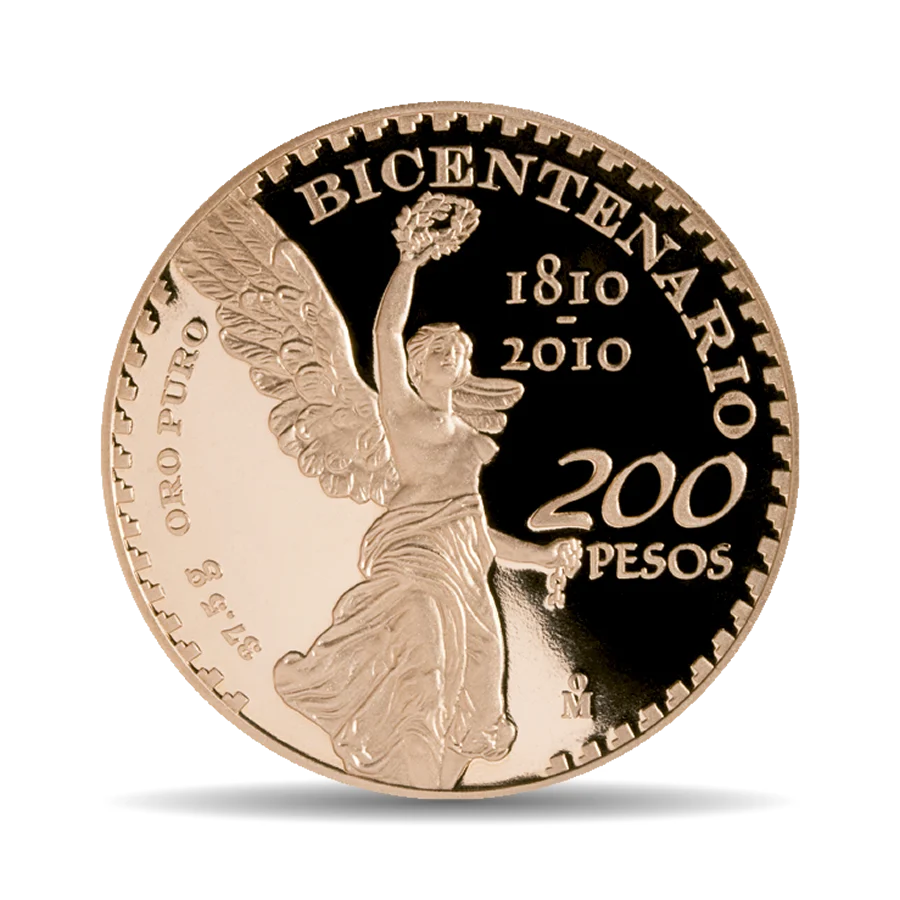
Las 11 monedas mexicanas que SÍ valen miles de pesos
Si llegaste aquí buscando si esa moneda que encontraste en tu casa vale millones, bajemos las expectativas un toque. Hay 11 piezas mexicanas que de verdad valen mucho dinero, con razones técnicas verificables. Datos del catálogo Banxico y mercado real, no listings de redes sociales.
Read the full article →Value range of this piece
Market estimate: $749 - $3,153 MXN depending on the grade of preservation (typical range between a circulated and an uncirculated piece).
See the full breakdown by grade (VG, F, VF, EF, AU, MS-60, MS-63, MS-65) for the whole series →
Other denominations from 1762
8 Reales Coloniales · Plata 0.900
Same denomination, other years
8 reales Plata 0.900 · 8 Reales Coloniales
Frequently asked questions
How much is an 8 Reales Carlos III 1762 worth?
It depends on condition. A worn example is worth roughly 40 to 150 dollars, mostly for its silver (27.21 grams of .900 fine). A sharp, high-detail coin can bring 250 to 700 dollars, and a certified uncirculated or scarce pillar-type example can exceed 1,000 dollars. Silver value sets the floor, so no genuine, undamaged coin should sell below melt.
Is the 1762 Carlos III 8 Reales rare?
The common worn version is not rare; Mexico City produced these silver trade coins in huge numbers, and many survive. What is scarce is a high-grade, uncirculated example or a well-preserved pillar (columnario) variety, which can be worth many times a plain circulated piece. Age alone does not make it valuable; grade and variety do.
Where can I sell an 8 Reales Carlos III 1762?
Sell where the coin is examined and weighed in person: a verified numismatic shop from the Pesoteca directory (/tiendas) can appraise it on the spot, or list it on the Pesoteca buy-and-sell forum (/foro/compra-venta) among collectors. Photograph the front, back, and edge, and check your grade against the value table before selling. Avoid dumping it to the first online buyer.
How do I know if my 8 Reales Carlos III 1762 is genuine?
Weigh it (should be about 27.21 grams), measure it (about 39 mm), and confirm the laureate leaf edge. Then compare the bust, lettering, mint mark, and MM assayer initials against verified reference images, since fakes have soft details. Be suspicious of any coin offered well below its silver value, and get it professionally authenticated if in doubt.
Conversation
0 comments
Loading comments…