
8 Reales Carlos II 1698 (Silver Cob): What It's Worth
The 8 Reales Carlos II 1698 : What It's Worth is worth between $752 and $4,749 MXN depending on its grade of preservation.
Prices updated: August 2026
Viceroyalty · Mexico City Mint · Assayer L
Viceroyalty · Mexico City Mint · Assayer L
The 8 Reales Carlos II 1698 : What It's Worth is worth between $752 and $4,749 MXN depending on its grade of preservation.
Prices updated: August 2026
How much is the 8 Reales Carlos II 1698 (Silver Cob): What It's Worth worth?
The estimated value of the 8 Reales Carlos II 1698 (Silver Cob): What It's Worth ranges from $752 (circulated, XF) up to $4,749 (official blister pack), with $3,296 as a reference for an uncirculated (UNC) piece. The estimate is based on the official mintage and the historical behavior of the family.
The real price depends on four factors: the grade of preservation (a circulated piece is worth the low end of the range; an uncirculated one, or one still in its official blister pack, the high end), the finish (satin vs mirror/proof), the rarity within the series based on the mintage, and the metal spot price on the day of the deal when the piece is silver or gold. Check the value-by-grade table above and compare with equivalent pieces before buying or selling.
Where to buy or sell this coin?
Browse the national directory of numismatic shops or the community forum to trade directly with other collectors.
Description
If you inherited or found an 8 reales dated 1698 with the name Carlos II, you are holding a genuine piece of Spanish colonial silver struck in Mexico City. Most worn examples trade in the low hundreds of dollars. Sharp, certified pieces can reach well into the thousands. Here is what actually drives that number.
What you actually have
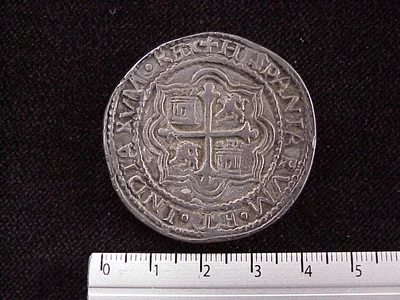
This is an 8 reales coin, the famous "piece of eight" that circulated across the Americas, Europe, and Asia for centuries. It was struck in 1698 during the reign of King Carlos II of Spain, at the Mexico City mint (Casa de Moneda de México), the oldest mint in the Americas. The assayer mark on this issue is L.
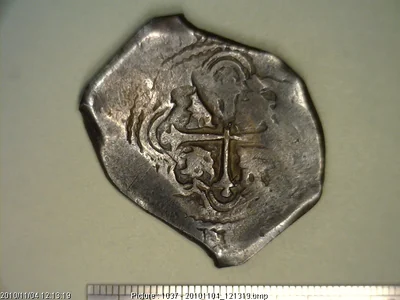
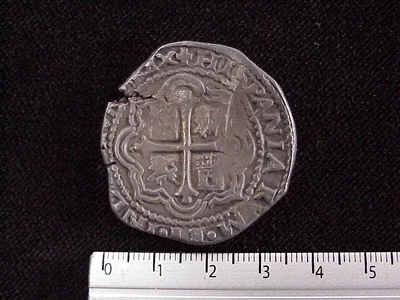
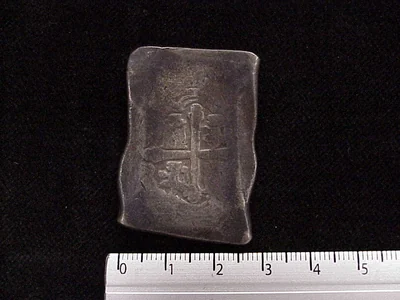
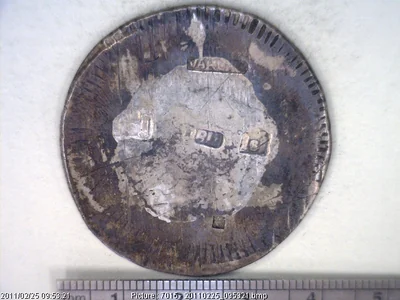
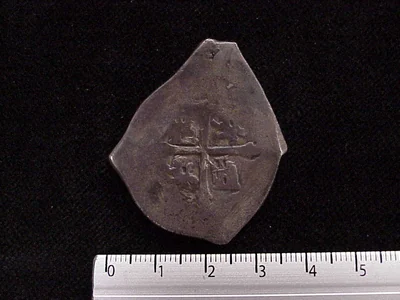
Many coins from this era are what collectors call cobs (in Spanish, macuquinas): hand-struck, irregular-shaped silver blanks cut and hammered before the era of machine minting. That irregular, roughly cut look is normal and expected. It does not mean your coin is damaged or fake.
Hard specifications, memorize these to check your piece:
- Metal: silver, 0.900 fine (90% silver)
- Weight: 27.32 grams
- Diameter: 42 millimeters
- Edge: plain, unmilled
- Denomination: 8 reales
- Ruler / era: Carlos II, Colonial / Viceroyalty period
- Mint: Mexico City
- Assayer: L
What it's worth in 2026
The honest answer: value swings enormously with condition, and cobs are graded differently from later machine-struck coins. Weight loss, corrosion, sea-salvage damage, clipping, and how much of the design and date are legible all move the price hard.
As a rough framework for the US market:
| Condition | What it looks like | Typical range (USD) |
|---|---|---|
| Heavily worn / partial date | Design and date barely readable, corrosion | 100 to 300 |
| Solid circulated | Clear design, most of legend visible, full date | 300 to 900 |
| High grade / well-struck cob | Strong strike, full shield and cross, clear date | 1,000 to 4,000+ |
| Certified rare variety / shipwreck-provenanced | NGC or PCGS holder, documented salvage | Highest tier, varies widely |
Two things matter more than age. First, the silver floor: at roughly 27.32 grams of 0.900 silver, the coin contains close to 0.79 troy ounces of pure silver, so it will never sell below melt value regardless of condition. Second, the numismatic premium above melt, which depends entirely on grade, eye appeal, and whether the date reads clearly. A blob of silver with no visible date is worth its metal. A crisp, dated Carlos II cob is worth many times that.
The myth to kill
Because this coin is from the 1690s, people assume "300-plus years old means a fortune." Age alone is not rarity. Millions of 8 reales were struck across the colonial period, and they turn up regularly at auction. The pieces that command real money are the ones with a clear date, a strong strike, and certification, or those with a documented shipwreck provenance. An unreadable, corroded cob is still just a few hundred dollars, no matter how old.
How to tell if yours is genuine
Colonial cobs are among the most-faked coins in the world, so check before you celebrate.
- Weight and size first. A genuine 8 reales weighs about 27.32 grams and runs near 42 millimeters. A digital jewelry scale settles most fakes instantly. Cast copies almost always miss the weight or come out spongy and light.
- The ring test. Balance the coin on a fingertip and tap it gently. Real 0.900 silver rings with a high, sustained tone. Base-metal fakes give a dull, short thud.
- Look at the surfaces. Cast counterfeits often show a grainy, pitted texture and soft, mushy details. Genuine struck cobs have sharp design elements where the strike landed.
- Get it certified. For anything you think could clear a few hundred dollars, send it to NGC or PCGS. A graded coin in a sealed holder sells faster and for more, because the buyer is not gambling on authenticity.
Where to sell it
Because this is a precious-metal coin, only deal with buyers who will inspect and weigh the piece in front of you or on video.
- Certified auction houses (Heritage Auctions, Stack's Bowers) are the right home for a high-grade or shipwreck-provenanced example. They reach the collectors who pay top dollar.
- Verified numismatic dealers through the Pesoteca shop directory will appraise it on the spot.
- The Pesoteca buy-and-sell forum connects you with collectors directly.
Photograph the obverse, reverse, and edge in good light, and note the exact weight before you list it. Avoid dumping it on a general marketplace for the first offer, that is where undervalued colonial silver disappears.
Learn more
This piece belongs to the Colonial 8 Reales series. To place your coin in the right price bracket, read our Mexican coin grading guide and compare your surfaces against the standards there.
Got an 8 reales Carlos II 1698 in hand? Post clear photos of both sides and the edge, plus its weight, on the Pesoteca forum and the community will help you pin down the grade and a fair value.
Historical context
This piece belongs to the reign of Charles II of Spain (1665-1700). Last king of the House of Austria in Spain. His death without heirs triggered the War of the Spanish Succession (1701-1714).
The government of New Spain in 1698 was in the hands of José Sarmiento de Valladares, Count of Moctezuma, amid the European dynastic crisis that foreshadowed the Spanish succession.
The numismatic type of the piece is cob (macuquina), also called hammer-cut coin. The blanks were clipped by shears from a silver bar and struck between manual dies, so no cob has an edge or a perfectly circular shape. It circulated as a benchmark trade coin throughout the Atlantic for more than two centuries.
The Mexico mint (crowned Mo mark) operated from 1535 as the first mint of the Americas. During the 17th century it struck cobs almost without interruption, being the main issuing point for minted silver of the Spanish empire. The assayer's initials declared on the piece are L, an official of the Royal Treasury charged with certifying the silver fineness (0.930 and later 0.903) per the viceregal standard.
Colonial catalogs trace this piece within the families of the Mexican Real de a ocho, with prices that respond to rarity by year and assayer signature.
A year in which Europe was preparing the succession of Charles II, the last Spanish Habsburg, with the Partition Treaty under negotiation.
This piece belongs to the era
Colonial / Virreinato →Explore all the Mexican coins of this era, their historical context and how they connect to the monetary system of the period.
Value range of this piece
Market estimate: $752 - $4,749 MXN depending on the grade of preservation (typical range between a circulated and an uncirculated piece).
See the full breakdown by grade (VG, F, VF, EF, AU, MS-60, MS-63, MS-65) for the whole series →
Other denominations from 1698
8 Reales Coloniales · Plata 0.900
Same denomination, other years
8 reales Plata 0.900 · 8 Reales Coloniales
Frequently asked questions
How much is an 8 reales Carlos II 1698 worth?
It depends heavily on condition. A heavily worn or corroded cob with a barely readable date runs roughly 100 to 300 dollars. A solid circulated example with a clear date sits around 300 to 900 dollars, and a high-grade or certified piece can bring 1,000 to over 4,000 dollars. The coin contains about 0.79 troy ounces of 0.900 silver, so it never sells below its melt value.
Is the 8 reales Carlos II 1698 rare?
Age alone does not make it rare. Large quantities of colonial 8 reales were struck and they appear at auction regularly. What is genuinely scarce is a well-struck example with a fully legible date, or one with documented shipwreck provenance. Those command strong premiums; worn, dateless cobs stay in the low hundreds.
How can I tell if my 8 reales Carlos II 1698 is genuine?
Start with weight and size: a real coin weighs about 27.32 grams and measures near 42 millimeters. Do the ring test by tapping it gently, genuine silver rings high and long while fakes sound dull and short. Look for sharp struck detail rather than grainy cast texture. For anything valuable, certification by NGC or PCGS is the definitive proof.
Where can I sell an 8 reales Carlos II 1698?
For high-grade or shipwreck-provenanced pieces, use a certified auction house like Heritage or Stack's Bowers. For everyday examples, a verified dealer from the Pesoteca shop directory will appraise it in person, or the Pesoteca buy-and-sell forum connects you with collectors. Always photograph both sides and the edge and note the exact weight before selling.
Conversation
0 comments
Sources
Images for informational and educational purposes, attributed to their original source. Reference values; the real price depends on the grade, the specific variant and demand.
Loading comments…