
8 Escudos Carlos IV 1791 Gold Coin: Value & Prices
The 8 Escudos Carlos IV 1791 Gold Coin: Value & Prices is worth between $51,346 and $86,478 MXN depending on its grade of preservation.
Prices updated: August 2026
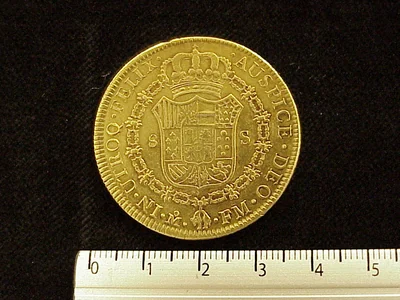
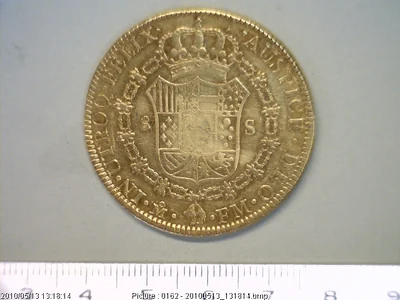
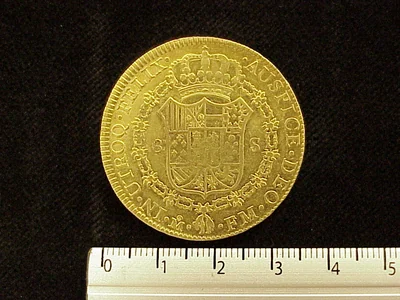
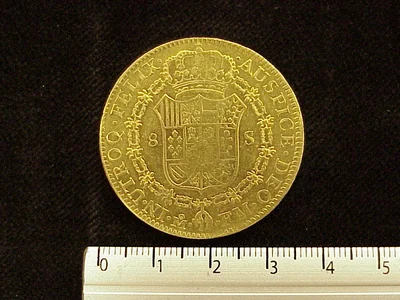
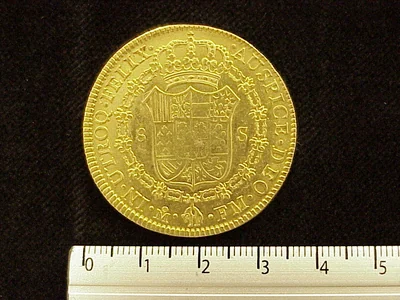
Third type; bust and Charles IIII legend.
Third type; bust and Charles IIII legend.
The 8 Escudos Carlos IV 1791 Gold Coin: Value & Prices is worth between $51,346 and $86,478 MXN depending on its grade of preservation.
Prices updated: August 2026
How much is the 8 Escudos Carlos IV 1791 Gold Coin: Value & Prices worth?
The estimated value of the 8 Escudos Carlos IV 1791 Gold Coin: Value & Prices ranges from $51,346 (circulated, XF) up to $86,478 (official blister pack), with $73,703 as a reference for an uncirculated (UNC) piece. The estimate is based on the official mintage and the historical behavior of the family.
The real price depends on four factors: the grade of preservation (a circulated piece is worth the low end of the range; an uncirculated one, or one still in its official blister pack, the high end), the finish (satin vs mirror/proof), the rarity within the series based on the mintage, and the metal spot price on the day of the deal when the piece is silver or gold. Check the value-by-grade table above and compare with equivalent pieces before buying or selling.
Where to buy or sell this coin?
Browse the national directory of numismatic shops or the community forum to trade directly with other collectors.
Description
If you inherited a large gold coin marked "CAROL IIII" dated 1791, you are holding a Mexican 8 Escudos, one of the highest-denomination coins of the Spanish colonial system. It has a floor value in gold alone: with 27 grams at .875 fineness, that is roughly three-quarters of a troy ounce of pure gold. In 2026, that puts the melt value alone well over 1,500 USD, and collector examples sell for far more.
This is real money, not a common old coin. Below is what it is, what drives the price, and how to check yours before you sell.
Quick answer: what is it worth?
The 1791 8 Escudos of Carlos IV is worth at least its gold content, and much more in collectible grades. As a baseline, expect:
- Worn or damaged pieces: close to melt value, roughly 1,500 to 2,000 USD depending on the gold price.
- Circulated but solid (VF to XF): commonly 2,000 to 3,500 USD.
- High grade, certified (AU/UNC): 4,000 USD and up, with the finest known examples of early Carlos IV 8 Escudos crossing 8,000 to 12,000 USD at auction.
The wide range comes down to grade, eye appeal, and whether the coin has been cleaned, mounted (used as jewelry), or repaired. A mount hole or heavy polishing can cut the value back down toward melt.
What you actually have
This coin is an 8 Escudos ("escudos" was the gold denomination of colonial Spain), struck in the Mexico City mint in 1791. It carries the bust and legend of Carlos IV, though the earliest issues, including 1791, still read "CAROL IIII" and used the bust of the previous king, Carlos III, before the new portrait dies arrived. That transitional detail matters to collectors.
The letters FM on the coin are the assayer's initials, the mint official who certified the metal's fineness. The mint mark for Mexico City is an "o" over an "M" (Mo).
Technical specifications
| Feature | Detail |
|---|---|
| Denomination | 8 Escudos (gold) |
| Metal | Gold, .875 fineness |
| Weight | 27 grams |
| Diameter | 37.4 mm |
| Edge | Diagonally reeded |
| Mint | Mexico City (Mo) |
| Assayer | FM |
| Catalog reference | KM#159 |
Enthusiasts nicknamed these large gold coins onzas (ounces) because of their size. At 27 grams of nearly-pure gold, an 8 Escudos was the largest denomination anyone in the Spanish colonial world would normally handle.
Why this coin holds value
Most old coins are worth a few dollars. This one is different for one plain reason: it is a big gold coin from the busiest mint in the Spanish Empire. Two things drive the price.
1. Gold content sets the floor. Even a beat-up example cannot fall below its melt value. That protects you: no honest buyer should offer you less than the gold is worth.
2. Rarity and grade set the ceiling. Early-date, well-preserved 8 Escudos with the transitional "CAROL IIII" legend are scarce in top grades. A certified About Uncirculated or better piece can bring several times its metal value. Colonial gold in this series is actively collected in both the US and Mexico, so demand is steady.
For a closer look at the sister denomination, see our page on the 8 Reales silver coins, the workhorse silver "pieces of eight" struck alongside these gold escudos.
The myth: "all old Spanish gold is worth a fortune"
Age alone does not make it a jackpot. A worn 1791 8 Escudos that has been cleaned or worn as a pendant is worth its gold and little more. The premium above melt is earned by original surfaces and a strong grade, not by the date on the coin. Sellers who claim any colonial gold coin is worth "tens of thousands" are usually quoting the record for a single finest-known specimen, not what a typical example brings.
Be equally cautious about supposed "error" coins. Genuine, verifiable mint errors on colonial gold are rare and can add value, but most of what circulates online as an error is post-mint damage: scratches, corrosion, or edge dings. If you think yours has a real striking error, post it in the Pesoteca forum for a second opinion before you get excited.
How to check what yours is worth
- Weigh and measure it. Use a jewelry scale and a caliper. It should be close to 27 grams and 37.4 mm. A coin that weighs noticeably less is either worn, altered, or fake.
- Look for a mount or repair. Check the edge and rims for solder marks or a plugged hole. Jewelry use lowers value.
- Get it authenticated and graded. Counterfeits of colonial gold exist and can be convincing. Submit the coin to a recognized grading service (NGC or PCGS) for authentication and a numeric grade. A slabbed, graded coin sells for more and sells faster.
- Compare against real sales, not asking prices. Look at actual hammer prices for the same date and grade.
Where to sell it
Because this is a precious-metal coin, only deal with buyers who will inspect it in front of you and confirm the weight before any money changes hands.
- A verified numismatic shop from the Pesoteca dealer directory will appraise it on the spot, by city, without a middleman markup.
- The Pesoteca buy-and-sell forum connects you directly with collectors who understand what this coin is.
- For a high-grade certified example, a major international auction house can reach the strongest bidders.
Whatever you do, photograph the obverse, reverse, and edge in good light, and do not sell to the first buyer on social media. Gold coins attract lowball offers.
Got a 1791 8 Escudos in the drawer and not sure if it is real or has been mounted? Post clear photos of both sides and the edge in the Pesoteca forum and let the community weigh in before you sell.
Historical context
Eight escudos Carlos IV, 1791, Mexico City Mint. The record notes the third type with a bust and legend already proper to Carlos IIII. A definitive iconographic change: the obverse die now incorporates the portrait of the reigning king and the legend with the Roman spelling Carlos IIII customary in the late pillar series. That year the Gaceta de México was founded as an official newspaper, and the Count of Revillagigedo ordered the first modern demographic census of the viceroyalty, one of the first in America. The ounce weighs 27.06 grams with the 0.875 fineness typical of Carlos IV gold. Produced by mill press with a round planchet. In Europe the French revolutionary process continued with Louis XVI's flight to Varennes in June and the new constitution. Pieces from 1791 are the first issue of the third Mexican type of Carlos IV with the king's own portrait, an iconography that would be maintained throughout the decade. The assayer's signature appears in the reverse field as the mark of the capital workshop. This year closes the stage of transitional busts and opens the stable cycle of the Carlos IV portrait in New Spain.
This piece belongs to the era
Colonial / Virreinato →Explore all the Mexican coins of this era, their historical context and how they connect to the monetary system of the period.
Value range of this piece
Market estimate: $51,346 - $86,478 MXN depending on the grade of preservation (typical range between a circulated and an uncirculated piece).
See the full breakdown by grade (VG, F, VF, EF, AU, MS-60, MS-63, MS-65) for the whole series →
Same denomination, other years
8 escudos Oro 0.875 (21k) · 8 Escudos Carlos IV
Frequently asked questions
How much is an 1791 8 Escudos Carlos IV coin worth?
It is worth at least its gold content, roughly 1,500 to 2,000 USD in {{AÑO}} even when worn. Solid circulated examples bring 2,000 to 3,500 USD, and high-grade certified coins reach 4,000 USD and up, with the finest known pieces crossing 8,000 to 12,000 USD at auction. Grade, original surfaces, and whether it was cleaned or mounted decide where yours falls.
Is the 1791 8 Escudos a rare coin?
It is scarce and valuable rather than extremely rare. Mexico City struck these in decent numbers, but survivors in high grade are limited, and the early 1791 transitional issue reading "CAROL IIII" is more sought after. A worn example is not rare, but an original, uncleaned, high-grade coin certainly is.
Where can I sell an 1791 8 Escudos gold coin?
Sell through a verified shop in the [Pesoteca dealer directory](/tiendas), which will value and pay on the spot, or the [buy-and-sell forum](/foro/compra-venta) among collectors. Photograph the obverse, reverse, and edge, and confirm the buyer inspects the coin and its weight before paying. A high-grade certified coin may do best at a major auction house.
How can I tell if my 1791 8 Escudos is genuine?
Weigh it (about 27 grams) and measure it (37.4 mm) and compare against the specifications above; a coin that is light or undersized is suspect. Check the edge for solder or a plugged hole from jewelry use. Because convincing counterfeits of colonial gold exist, the safest step is professional authentication and grading by NGC or PCGS before you sell.
Conversation
0 comments
Loading comments…