
Mexican 50 Centavos 2005 (Aluminum-Bronze): Value Guide
Prices updated: August 2026
Centavos aluminum bronze 2005.
Centavos aluminum bronze 2005.
Design
Banxico
Reverse
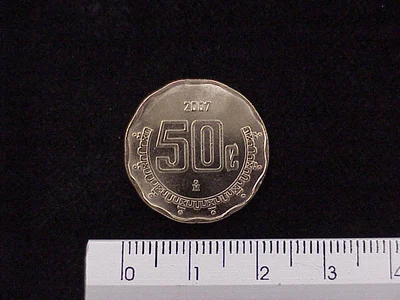
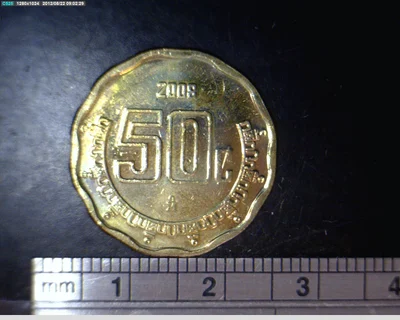
Reverse of the 50 Bronce Aluminio 2005 piece. Detail of the die cataloged by Banxico in its Numismatic Collection.
Obverse
Obverse with Mexican National Coat of Arms and legend "ESTADOS UNIDOS MEXICANOS" per official convention. Minted by the Mexican Mint under Banxico decree.
How much is the Mexican 50 Centavos 2005 (Aluminum-Bronze): Value Guide worth?
The market value of the Mexican 50 Centavos 2005 (Aluminum-Bronze): Value Guide is not yet documented with enough data to give a firm range. Weigh and measure your piece, compare it against the specifications, and check the forum for a second opinion.
The real price depends on four factors: the grade of preservation (a circulated piece is worth the low end of the range; an uncirculated one, or one still in its official blister pack, the high end), the finish (satin vs mirror/proof), the rarity within the series based on the mintage, and the metal spot price on the day of the deal when the piece is silver or gold. Check the value-by-grade table above and compare with equivalent pieces before buying or selling.
Where to buy or sell this coin?
Browse the national directory of numismatic shops or the community forum to trade directly with other collectors.
Description
If you found a Mexican 50 centavos coin dated 2005, here is the honest answer: in circulated condition it is worth about its face value, a few US cents. A pristine, uncirculated example might bring 1 to 2 dollars from a collector. This is a modern circulating coin, not a rare find, so do not expect a windfall.
That said, condition and mint errors can change the math. Let's break down exactly what yours is worth in 2026 and how to check.
What is the 2005 50 Centavos?
This is a 50-centavo coin (half a Mexican peso) from Mexico's current "Nuevos Pesos" era, the coinage system in use since the 1990s. It was struck by the Casa de Moneda de México (the Mexican Mint) under Banco de México (Banxico) authority. It circulated as everyday pocket change, which means millions were made and most survivors are worn.
Specifications
| Feature | Detail |
|---|---|
| Denomination | 50 centavos (0.50 peso) |
| Year | 2005 |
| Composition | Aluminum-bronze |
| Weight | 4.39 grams |
| Diameter | 22 mm |
| Edge | Smooth (plain) |
| Mint | Casa de Moneda de México |
Obverse (front): The Mexican national coat of arms, the eagle perched on a cactus devouring a serpent, with the legend "ESTADOS UNIDOS MEXICANOS" (the official name of Mexico) around the rim.
Reverse (back): The denomination, part of the aluminum-bronze 50-centavo design cataloged by Banxico in its numismatic collection.
What is it actually worth?
Be realistic. This is a common modern coin made of aluminum-bronze, an alloy with no precious-metal value. There is no silver or gold here, so there is no bullion floor to prop up the price. Value comes only from collector demand for high-grade or error examples.
| Condition | Approximate value (USD) |
|---|---|
| Circulated (worn) | Face value, a few cents |
| Uncirculated (no wear) | 0.50 to 1.50 |
| Gem uncirculated / graded high | 1 to 3 |
The premium end only applies to coins still in an original Banxico blister pack or those graded high by a third party. A handful of dollars is the ceiling for a normal 2005 example. Anyone quoting you hundreds for a plain circulated one is wrong.
When it could be worth more: mint errors
Genuine, factory-made striking errors can multiply the value of an otherwise common coin. Look for:
- Off-center strikes (design shifted, blank crescent on one side)
- Die rotation (reverse rotated relative to the obverse)
- Double strikes or doubling in the lettering
- Documented die varieties
Here is the honest warning: the vast majority of "errors" people post online are post-mint damage, dings, corrosion, or wear, not mistakes from the mint. Real errors are scarce and need verification. If you think you have one, get a second opinion before you celebrate.
How to tell if yours is genuine
Counterfeiting a low-value coin like this is rare, but you can confirm authenticity with two simple tools:
- Weight: it should be 4.39 grams on a jeweler's scale.
- Diameter: it should measure 22 mm with a caliper.
Fakes usually get the weight or diameter wrong, show flat, mushy relief, or have off colors in the alloy. Compare against the spec table above. For a full walkthrough on assessing condition, see our coin grading guide.
Where to sell it
If yours is a plain circulated example, it is honestly not worth the effort to sell individually. Its best home is a type collection or a lot of Mexican coins. If it is uncirculated or a verified error, here are the safe routes:
- A verified coin shop from the Pesoteca dealer directory, which can appraise it on the spot.
- The Pesoteca buy-and-sell forum, where collectors trade directly.
Photograph the obverse, reverse, and edge in good light before you offer it anywhere, and check the value ranges in this guide first so you know what a fair price looks like.
Think you spotted a real striking error on your 2005 50 centavos? Post clear photos in the Pesoteca forum and let the community confirm it before you buy or sell.
Historical context
Context of the fifty-centavo piece of 2005
This fifty-centavo coin (KM#549) was minted by the Mexican Mint in 2005, under the presidency of Vicente Fox Quesada. It is part of the family of circulating coins in bronze and aluminum alloy with nickel that Banxico issued between 1992 and 2009, with 22 mm in diameter and 3.10 g in weight.
The year in Mexico. It is the year in which the Federal Law of Transparency and Access to Public Information was effectively established, with IFAI resolving thousands of citizen appeals. Inflation closed at 3.33%, one of the lowest levels of the decade. That year, according to INEGI's INPC, annual inflation closed at 3.33% and the Bank of Mexico's FIX exchange rate closed the year at 10.63 pesos per dollar.
How it circulated. In 2005 these pieces circulated amid price stability. The Metro fare was still 2 pesos and these coins were common change. They also served for exact payments in soda and candy vending machines in offices.
Numismatic note. The 2005 die is within the long cycle of abundant strikes of the Fox administration. Collectors usually find it easily in change received at shops. The obverse design is Banxico's official National Coat of Arms and the reverse shows the face value alongside the year of minting. Between years the design stays identical and only the engraved date changes, so the visible difference is minimal. Internal die variations, when they exist, are documented in the Bank of Mexico catalog.
This piece belongs to the era
Nuevos Pesos y actualidad →Explore all the Mexican coins of this era, their historical context and how they connect to the monetary system of the period.
Value range of this piece
Value range without enough data for this piece.
See the full breakdown by grade (VG, F, VF, EF, AU, MS-60, MS-63, MS-65) for the whole series →
Same denomination, other years
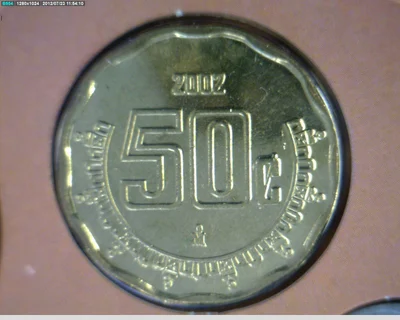
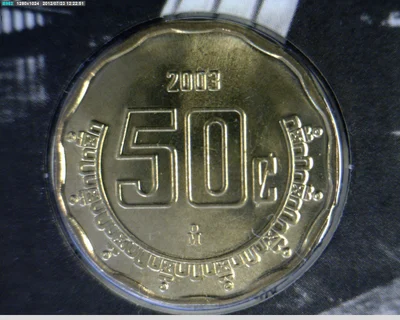
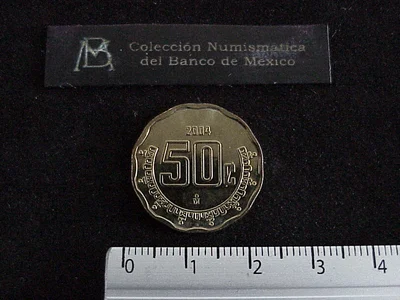
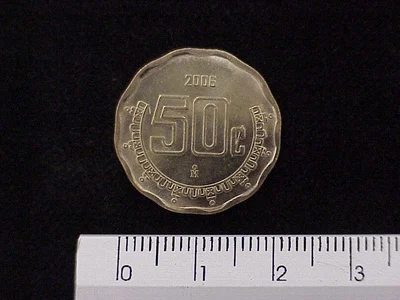
50 centavos Aluminio-bronce · 50 Centavos Bronce Aluminio
Frequently asked questions
How much is a 2005 Mexican 50 centavos coin worth?
In circulated condition it is worth about face value, a few US cents. An uncirculated example runs roughly 0.50 to 1.50 dollars, and a top graded or blister-packed coin can reach 2 to 3 dollars. It contains no silver or gold, so there is no metal value beyond collector demand.
Is the 2005 50 centavos coin rare?
No. It is a common modern circulating coin made in large numbers of aluminum-bronze. Only pristine uncirculated examples or genuine, verified mint errors carry any premium over face value.
Where can I sell my 2005 50 centavos coin?
The safest options are a verified shop from the [Pesoteca dealer directory](/tiendas) for an on-the-spot appraisal, or the [Pesoteca buy-and-sell forum](/foro/compra-venta) among collectors. Photograph both sides and the edge first, and check the value ranges here before selling.
How do I know if my 2005 50 centavos is genuine?
Check the weight (4.39 grams) with a jeweler's scale and the diameter (22 mm) with a caliper, then compare to the specs above. Fakes typically show the wrong weight or size, flat relief, or off colors in the alloy.
Conversation
0 comments
Loading comments…