
8 Reales Carlos IV 1799: Value & Real Prices
Prices updated: August 2026
Counterfeit, not gold.
Counterfeit, not gold.
How much is the 8 Reales Carlos IV 1799: Value & Real Prices worth?
The market value of the 8 Reales Carlos IV 1799: Value & Real Prices is not yet documented with enough data to give a firm range. Weigh and measure your piece, compare it against the specifications, and check the forum for a second opinion.
The real price depends on four factors: the grade of preservation (a circulated piece is worth the low end of the range; an uncirculated one, or one still in its official blister pack, the high end), the finish (satin vs mirror/proof), the rarity within the series based on the mintage, and the metal spot price on the day of the deal when the piece is silver or gold. Check the value-by-grade table above and compare with equivalent pieces before buying or selling.
Where to buy or sell this coin?
Browse the national directory of numismatic shops or the community forum to trade directly with other collectors.
Description
The 1799 8 Reales of Carlos IV is a genuine silver world coin, not a rarity most of the time. In circulated condition it typically brings 40 to 120 USD as a collectible above its silver value. Sharp examples and certified pieces can reach several hundred dollars. Cleaned, holed, or heavily worn coins sit near the low end.
This is the classic Spanish colonial "piece of eight," struck at the Mexico City mint (Casa de Moneda de México), the largest silver producer of the Spanish Empire. If you inherited one, here is what it is actually worth in 2026 and how to check yours.
What you actually have
The 8 Reales was the international trade coin of its era, circulating from the Americas to China. Carlos IV ruled Spain from 1788 to 1808, and his portrait appears on the obverse. The 1799 date puts your coin firmly in the middle of that reign.
Key identifiers to confirm on your piece:
- Mint: Mexico City, shown by the "Mo" mintmark (an M with a small o above it).
- Assayer initials: FM, the official who certified the metal's purity.
- Weight: 27.07 g for a genuine silver 8 Reales.
- Diameter: about 39 mm.
- Fineness: .903 silver (the standard Spanish colonial silver crown), roughly 0.786 troy ounces of pure silver.
A quick note on metal: some catalog entries list a lighter "cobre" (copper) variant at 14.74 g and 36.3 mm. If your coin weighs about 14.7 g, it is not the standard silver crown. It could be a contemporary token, a cast copy, or a modern reproduction. The real, valuable coin is the silver piece near 27 g. Weigh yours before assuming anything.
What it's worth in 2026
Because millions of 8 Reales were struck across the colonial period, the 1799 Mexico City coin is common as a type. Value comes from grade (condition) and eye appeal, not just age. Here is the realistic range for a genuine silver example.
| Condition | Description | Value (USD) |
|---|---|---|
| Well worn (VG to Fine) | Portrait flat, legends readable | 40 to 80 |
| Circulated (VF to XF) | Clear detail, moderate wear | 90 to 250 |
| About Uncirculated | Light wear, strong luster | 250 to 500 |
| Mint State (certified) | No wear, original surfaces | 500 to 1,200+ |
These are collector prices for problem-free coins. A cleaned, scratched, or holed coin drops toward silver melt value, which for .903 fine silver at recent spot prices is roughly 20 to 25 USD. That melt figure is your floor: a genuine silver 8 Reales is essentially never worth less than its silver content.
Many of these coins carry Chinese merchant "chop marks," small stamped symbols applied when the coin circulated in Asian trade. Chop marks are authentic history and do not necessarily hurt value with collectors who specialize in trade coins.
The myth: "it's 200 years old, it must be worth thousands"
Age alone does not make this coin rare. The Mexico City mint produced 8 Reales in enormous numbers, and 1799 is not a key date. Sellers who list a worn common example at four figures are guessing or hoping. The coins that break records are specific rare dates, mint errors, or top-grade certified pieces, not an average circulated 1799.
That said, the type is popular and liquid. There is always demand from Spanish colonial and world trade coin collectors, so a genuine example sells easily at fair value.
How to tell if yours is genuine
Counterfeits of 8 Reales are common because the type has been faked for over two centuries, including period contemporary counterfeits and modern cast copies.
- Weigh it. A real silver 8 Reales is about 27.07 g. A coin significantly lighter or heavier is suspect.
- Measure it. Roughly 39 mm in diameter.
- Check the edge. Genuine coins have a decorated milled edge, not a plain or seam-lined edge (a seam suggests a cast fake).
- Look for casting bubbles or a soft, mushy strike. Real struck coins have crisp, sharp devices.
- Silver test. It should not stick to a magnet, and the tone should be that of real silver, not the gray of pot metal.
If you want certainty, submit the coin to a grading service like NGC or PCGS. Certification both confirms authenticity and locks in a grade, which raises resale confidence and price on better pieces.
Where to sell it
For a fair price, avoid dumping it to the first buyer on social media. Your best options:
- A verified numismatic dealer who can appraise and pay on the spot. Compare offers.
- An auction house or reputable online marketplace for world coins, especially if the coin is certified.
- Photograph the obverse, reverse, and edge in good light before you talk to any buyer, and know the grade-based range above so you are not lowballed.
For U.S. sellers, established world coin dealers and major auction platforms handle Spanish colonial silver routinely and will give you a realistic figure.
Got an 1799 8 Reales in the drawer? Post clear photos of both sides and the edge on the Pesoteca forum and let collectors help you pin down the grade and value before you sell.
Historical context
This piece belongs to the reign of Carlos IV of Spain (1788-1808). Son of Carlos III. His reign coincided with the French Revolution and with the Napoleonic wars that ended in the abdications of Bayonne.
The government of New Spain in 1799 was in the hands of Miguel José de Azanza, managing alarms over rumors of Creole conspiracies.
The numismatic type of the piece is bust, introduced in 1772 under Carlos III. The obverse shows the portrait of the king in the neoclassical fashion and the reverse the crowned royal coat of arms with the Golden Fleece. The edge is laureate or corded and all examples were struck on a screw press, with Latin legends that spelled out the titles and dignities of the monarch.
The Mexico mint had migrated to the bust pattern in 1772. Under Carlos III and Carlos IV the highest annual production of struck silver of the viceroyalty was recorded, feeding trade with the Philippines via the Manila Galleon and the payment of the situado to the Antilles. The dies were signed by the assayer of the Mexico mint active in the period, an official charged by the Royal Treasury with certifying that the silver fineness met the viceregal standard.
Colonial catalogs trace this piece within the families of the Real de a ocho of Mexico, with prices that respond to rarity by year and assayer's signature.
Year of the Machetes Conspiracy in Mexico City, the first Creole conspiracy against the viceregal government.
This piece belongs to the era
Colonial / Virreinato →Explore all the Mexican coins of this era, their historical context and how they connect to the monetary system of the period.
Value range of this piece
Value range without enough data for this piece.
See the full breakdown by grade (VG, F, VF, EF, AU, MS-60, MS-63, MS-65) for the whole series →
Other denominations from 1799
8 Reales Coloniales · Cobre
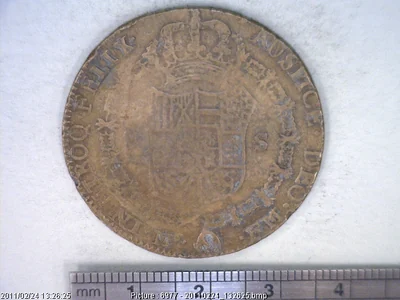
Same denomination, other years
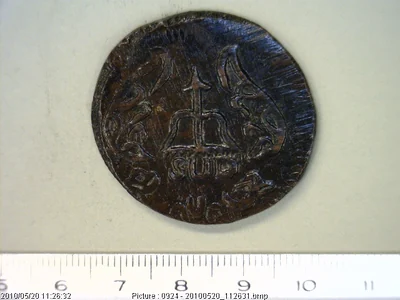
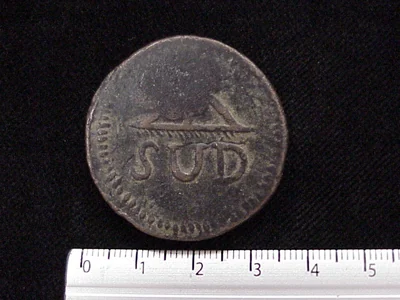
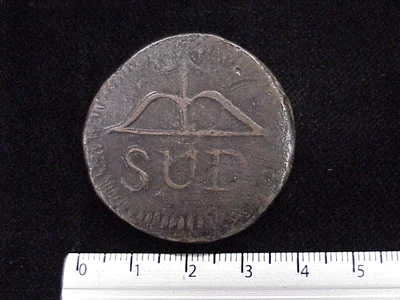
8 reales Cobre · 8 Reales Coloniales
Frequently asked questions
How much is an 1799 8 Reales Carlos IV worth?
A genuine silver example runs about 40 to 80 USD well worn, 90 to 250 USD in clear circulated grades, and 500 to 1,200+ USD certified in mint state. The silver floor is roughly 20 to 25 USD at melt. Cleaned or holed coins sell near that floor.
Is the 1799 8 Reales rare?
No. The Mexico City mint struck 8 Reales in huge numbers and 1799 is not a key date. Value comes from condition and eye appeal, not age. Top-grade certified pieces and genuine mint errors are the exceptions that command real premiums.
Where can I sell my 8 Reales Carlos IV 1799?
Use a verified numismatic dealer who can appraise and pay in person, or a reputable world coin auction or marketplace, especially if the coin is certified by NGC or PCGS. Photograph the obverse, reverse, and edge, and check the grade-based range before selling. Avoid selling to the first social-media bidder.
How do I know if my 8 Reales is genuine?
Weigh it (a real silver 8 Reales is about 27.07 g), measure it (roughly 39 mm), and check the milled edge for a seam that would indicate a cast fake. Confirm the Mo mintmark and FM assayer initials. For certainty, submit it to NGC or PCGS for authentication and grading.
Conversation
0 comments
Loading comments…