
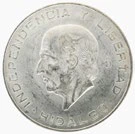
1968 Mexico 25 Pesos Olympic Silver (Aros Caídos Variety)
The 1968 Mexico 25 Pesos Olympic Silver is worth between $687 and $854 MXN depending on its grade of preservation.
Prices updated: August 2026
20th-century silver
20th-century silver
The 1968 Mexico 25 Pesos Olympic Silver is worth between $687 and $854 MXN depending on its grade of preservation.
Prices updated: August 2026
How much is the 1968 Mexico 25 Pesos Olympic Silver (Aros Caídos Variety) worth?
The estimated value of the 1968 Mexico 25 Pesos Olympic Silver (Aros Caídos Variety) ranges from $687 (circulated, XF) up to $854 (official blister pack), with $793 as a reference for an uncirculated (UNC) piece. The estimate is based on the official mintage and the historical behavior of the family.
The real price depends on four factors: the grade of preservation (a circulated piece is worth the low end of the range; an uncirculated one, or one still in its official blister pack, the high end), the finish (satin vs mirror/proof), the rarity within the series based on the mintage, and the metal spot price on the day of the deal when the piece is silver or gold. Check the value-by-grade table above and compare with equivalent pieces before buying or selling.
Where to buy or sell this coin?
Browse the national directory of numismatic shops or the community forum to trade directly with other collectors.
Description
If you inherited a large silver Mexican coin with the Olympic rings and a dancing figure, you have a 1968 Mexico 25 Pesos, struck for the Mexico City Summer Games, the first Olympics held in Latin America. The good news: it is real silver, so it has a floor value. The better news, for a small number of people: there is a scarce variety called Aros Caídos ("fallen rings") that collectors pay extra for.
What it's worth right now (in USD)
Most 1968 25 Pesos coins are common. Millions were struck, and they turn up constantly in inherited boxes across the US. In circulated to average condition, a standard example trades close to its silver content, roughly 10 to 20 US dollars depending on the silver spot price on the day you sell.
Each coin holds 22.5 grams of .720 fine silver, which is about 0.5209 troy ounces of pure silver. That number is the anchor: your coin will almost never sell for less than melt, and dealers will always buy it at melt or slightly under.
Where the value jumps:
- Uncirculated / lustrous examples: clean fields, full original shine, no wear. These sell in the 25 to 60 US dollars range to collectors, well above melt.
- Certified high grades (NGC or PCGS MS65 and up): these can reach 80 to 150 US dollars or more when demand is strong.
- The Aros Caídos variety: this is the piece worth checking for. In collector grade it commands a meaningful premium over the common coin, and certified examples have sold for several times a standard 25 Pesos. Exact figures swing with the market, so treat any single "record" number online with skepticism.
What the Aros Caídos variety actually is
"Aros Caídos" means "fallen rings." On the reverse, the five Olympic rings sit lower or misaligned compared to the standard position, a die difference that Mexican collectors identified and now catalog separately. It is not damage and it is not an error you created by handling the coin. It is a specific die variety present on some 1968 pieces from the start.
This is the whole game with this coin. The base type is cheap and everywhere. Correctly identifying the Aros Caídos variety versus the common version is what changes the price. If you are not certain which one you have, do not assume the valuable one. Most 1968 25 Pesos coins are the ordinary type.
Quick specs
| Detail | Spec |
|---|---|
| Denomination | 25 Pesos |
| Year | 1968 (single year of issue) |
| Metal | .720 silver |
| Silver content | 22.5 g total, ~0.5209 troy oz pure |
| Diameter | 38 mm |
| Design | Aztec dancer surrounded by the five Olympic rings |
| Notable variety | Aros Caídos (misaligned rings) |
Is it rare?
The standard 1968 25 Pesos is not rare. It is one of the most common Mexican silver coins in American estates, because tourists and residents brought them home in quantity. The Aros Caídos variety is scarcer, but "scarcer" here means "a premium type collectors seek," not "a coin worth thousands." Anyone telling you a plain 1968 25 Pesos is worth a fortune is wrong.
How to tell if yours is genuine
Because this coin holds real silver, counterfeits and "replica" pieces do circulate. Three fast checks:
- Weight and size. A genuine coin weighs 22.5 grams and measures 38 mm. A cheap kitchen scale settles most doubts. If it is off, be suspicious.
- The ring test. Balance the coin on a fingertip and tap the edge. Real silver rings with a clear, sustained high tone. Fakes and plated base metal sound dull and short.
- Certification. For anything you believe is high grade or the Aros Caídos variety, send it to NGC or PCGS. Their holder confirms authenticity, grade, and the variety, and it is what serious buyers trust.
Where to sell it in the US
- NGC or PCGS authorized dealers and coin shops: fastest for a common example, expect close to melt.
- Heritage Auctions or Stack's Bowers: worth it only if you have a certified high-grade coin or a confirmed Aros Caídos, where a bidding audience can push the price up.
- eBay: workable, but this is where the most fakes live. If you buy, demand edge and weight photos. If you sell, get it certified first so buyers pay a real premium.
A blunt rule: if you just want to cash out a common 1968 25 Pesos, a local shop is fine. If you think you have the variety or a gem grade, spend the certification fee before you sell, because uncertified you will leave money on the table.
Not sure whether your rings are "fallen" or standard? Post clear photos of both sides and the edge in the Pesoteca forum and let collectors who handle these confirm the variety before you sell.
Go deeper on this coin
Moneda 25 Pesos Olimpiada 1968: aros caídos vs rectos y cuánto vale
Qué es la 25 pesos de la Olimpiada 68, la diferencia entre aros caídos y rectos, cuánto vale de verdad y cómo detectar las falsas. Sin el humo de 'vale un millón'.
Read the full article →Value range of this piece
Market estimate: $687 - $854 MXN depending on the grade of preservation (typical range between a circulated and an uncirculated piece).
Frequently asked questions
How much is a 1968 Mexico 25 Pesos Olympic coin worth?
A common example trades near its silver content, roughly 10 to 20 US dollars depending on the spot price, since it holds 22.5 grams of .720 silver. Uncirculated examples reach 25 to 60 US dollars, and certified high grades or the scarce Aros Caídos variety sell for several times more. Certified coins always bring the strongest prices.
Is the 1968 25 Pesos Aros Caídos variety rare?
The standard 1968 25 Pesos is common and turns up constantly in US estates. The Aros Caídos variety, where the Olympic rings sit lower or misaligned, is scarcer and commands a collector premium, but it is not worth thousands. Most 1968 coins are the ordinary type, so do not assume you have the valuable one without verifying.
How can I tell if my 1968 25 Pesos is real silver?
A genuine coin weighs exactly 22.5 grams and measures 38 mm, so a small scale settles most doubts. Real silver also rings with a clear, sustained high tone when tapped on the edge, while fakes sound dull and short. For a valuable or high-grade piece, NGC or PCGS certification is the definitive confirmation.
Where can I sell a 1968 Mexico 25 Pesos coin?
For a common coin, a local coin shop or NGC/PCGS dealer pays close to melt fast. For a certified high-grade example or a confirmed Aros Caídos, Heritage Auctions or Stack's Bowers can bring a premium. eBay works but attracts fakes, so certify first if you want top dollar. You can also confirm your variety in the Pesoteca forum before selling.
Conversation
0 comments
Sources
- Banxico (Catálogo Numismático PDF)
Images for informational and educational purposes, attributed to their original source. Reference values; the real price depends on the grade, the specific variant and demand.
Loading comments…