
Mexican 1 Peso Coin (2003): Value & What It's Worth
Prices updated: August 2026
Circulating coin EUM 2003, bimetallic, satin finish.
Circulating coin EUM 2003, bimetallic, satin finish.
Design
Banxico
Reverse
Reverse with the nominal value "1" prominent at the center, legend "ESTADOS UNIDOS MEXICANOS" in an upper arc, year of minting 2003, and mint mark Mo of the Mexican Mint.
Obverse
Obverse with the Mexican National Coat of Arms (eagle devouring a serpent on a nopal cactus) in high relief at the center, legend "ESTADOS UNIDOS MEXICANOS" in an upper arc. Canonical design of the post-1996 reform circulation.
How much is the Mexican 1 Peso Coin (2003): Value & What It's Worth worth?
The market value of the Mexican 1 Peso Coin (2003): Value & What It's Worth is not yet documented with enough data to give a firm range. Weigh and measure your piece, compare it against the specifications, and check the forum for a second opinion.
The real price depends on four factors: the grade of preservation (a circulated piece is worth the low end of the range; an uncirculated one, or one still in its official blister pack, the high end), the finish (satin vs mirror/proof), the rarity within the series based on the mintage, and the metal spot price on the day of the deal when the piece is silver or gold. Check the value-by-grade table above and compare with equivalent pieces before buying or selling.
Where to buy or sell this coin?
Browse the national directory of numismatic shops or the community forum to trade directly with other collectors.
Description
If you found a 2003 Mexican 1 peso coin in a jar or an inherited box, here's the honest answer: in circulated condition it's worth about its face value, roughly 5 to 10 US cents. It is a common circulation coin, not a rarity. The exceptions that can be worth real money are uncirculated examples in original packaging and genuine mint errors.
This is the standard bimetallic 1 peso ("un peso" means one peso, the base unit of Mexican currency), struck at the Casa de Moneda de México, the national mint, and coded with the small Mo mintmark on the reverse. It has been in everyday circulation for decades, so hundreds of millions exist. Age alone does not make it valuable, and 2003 is recent by numismatic standards.
What a 2003 1 peso is worth in 2026
Value is driven almost entirely by condition and packaging, not by the date.
| Condition | What it means | Approximate value (USD) |
|---|---|---|
| Circulated | Handled, scratches, worn | Face value, about 0.05 to 0.10 |
| Uncirculated | No wear, full luster, loose | 0.50 to 2.00 |
| In original Banxico blister/set | Sealed mint packaging | 2 to 6, depending on the set |
| Verified mint error | Genuine off-center, die rotation, double strike | Can multiply value; varies widely |
Those are collector-market ranges. A single loose 2003 peso pulled from change is a face-value coin, plain and simple. Do not expect a windfall from an ordinary example.
Technical specifications
These numbers matter for spotting fakes and for confirming you have the right coin.
- Denomination: 1 peso
- Year: 2003
- Composition: Bimetallic (a metal ring around a different-metal center)
- Weight: 3.95 grams
- Diameter: 21 millimeters
- Edge: Reeded (grooved)
- Finish: Satin
- Mint: Casa de Moneda de México (mintmark Mo)
This coin belongs to the bimetallic 1 peso series issued after Mexico's 1996 currency reform.
Obverse (front): The Mexican coat of arms in high relief at the center, an eagle devouring a serpent while perched on a cactus, with the legend "ESTADOS UNIDOS MEXICANOS" arced across the top. This is the standard national emblem used on post-1996 circulation coinage.
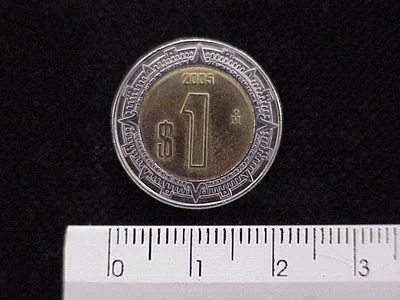
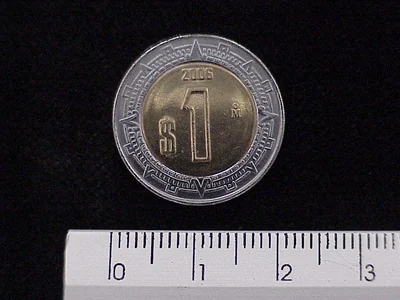
Reverse (back): A large denomination "1" at the center, the legend "ESTADOS UNIDOS MEXICANOS" along the top arc, the year 2003, and the Mo mintmark of the Casa de Moneda de México.
The one thing that can make it valuable: mint errors
Genuine striking errors, off-center strikes, die rotation, double strikes and documented varieties, can multiply the value of an otherwise common coin if they are real and verifiable. The catch: most "errors" people post online are post-mint damage, not factory mistakes. Dents, corrosion, scratches and coins that got squeezed in machinery are damage, and damage lowers value rather than raising it.
If you think you have a real error, photograph it clearly and get it reviewed before you assume it's worth anything. You can post it in the Pesoteca forum for the community to assess.
How to check if yours is genuine
Weigh it on a jewelry scale and measure the diameter with calipers, then compare against the specs above: 3.95 grams and 21 millimeters. Counterfeits usually get the weight or diameter wrong, show flat relief, or have the two metals colored or seated incorrectly. On a real bimetallic peso the ring and center are cleanly joined and the reeded edge is sharp.
For grading your coin honestly, use the Mexican coin grading guide to place it on the scale from circulated to uncirculated. Grade is the single biggest factor separating a face-value coin from a small collector premium.
Where to sell it
For a common 2003 peso, your realistic options are:
- A verified numismatic shop from the Pesoteca directory, which can appraise it on the spot without inflated markups.
- The collector buy-and-sell forum, where you deal directly with other collectors.
Photograph the obverse, reverse and edge, and check the price ranges on this page before you sell. If the coin is ordinary circulated stock, it may simply be worth spending. Don't dump it to the first bidder on social media, and be skeptical of anyone claiming a common date is worth a fortune.
Have a 2003 peso with an odd strike or something that looks off-center? Post your photos in the Pesoteca forum and let collectors tell you whether it's a real error or just damage.
Historical context
When Banxico dropped the N$ prefix from the peso starting in 1996, the circulating pieces kept the same physical format as their Nuevos Pesos equivalents from the decree of June 22, 1992. This 1 peso bimetallic coin struck in 2003 is part of that continuity: same technical specifications, same base design with the National Coat of Arms on the obverse, only the nominal value visible on the reverse changed. That is why, when gathering dates, you see long sequences with very little variation.
For the Mexican collector building a collection by year, these pieces are the ones that fill the basic gaps before hunting the rare commemorative versions. Banxico documents the mintages in its Monetary Circular CM10 from the year 2000, so for 2003 it is possible to verify the exact mintage against that source. Pesoteca catalogs each year as a distinct physical piece in the PSM System family C, following our convention of one ID per collectible piece, not per shared design.
This piece belongs to the era
Nuevos Pesos y actualidad →Explore all the Mexican coins of this era, their historical context and how they connect to the monetary system of the period.
Value range of this piece
Value range without enough data for this piece.
See the full breakdown by grade (VG, F, VF, EF, AU, MS-60, MS-63, MS-65) for the whole series →
Same denomination, other years
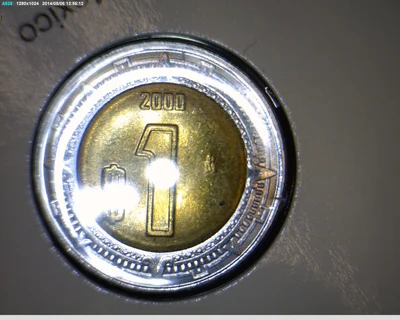
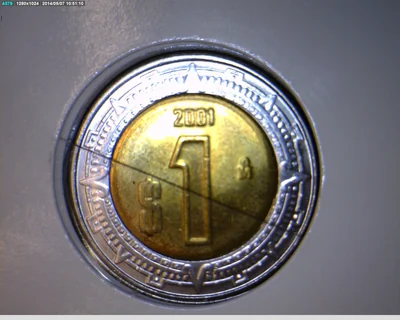
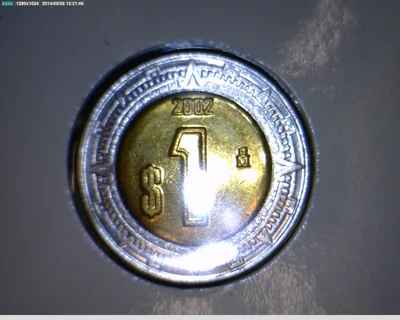
1 peso Bimetálica · 1 Pesos Bimetálica
Frequently asked questions
How much is a 2003 Mexican 1 peso coin worth?
In circulated condition it's worth about face value, roughly 5 to 10 US cents. Uncirculated examples run about 0.50 to 2.00 USD, and coins in original Banxico mint packaging can reach 2 to 6 USD. A genuine, verified mint error can be worth substantially more.
Is the 2003 1 peso a rare coin?
No. It is a common circulation coin struck in large numbers at the Casa de Moneda de México and still found in everyday change. Its date and age do not make it valuable. Only pristine uncirculated pieces, sealed mint sets, or genuine striking errors carry a premium.
Where can I sell a 2003 Mexican 1 peso coin?
The safest options are a verified shop from the [Pesoteca numismatic directory](/tiendas), which appraises it in person, or the [collector buy-and-sell forum](/foro/compra-venta). Photograph the front, back and edge, and compare with the value ranges on this page before selling.
How can I tell if my 2003 1 peso is genuine?
Weigh it (it should be 3.95 grams) and measure the diameter (21 millimeters), then compare with the specs above. Fakes usually have the wrong weight or size, flat relief, or the two metals colored or joined incorrectly. The reeded edge should be crisp on a real coin.
Conversation
0 comments
Sources
- Ejemplar de la Coleccion Numismatica Banco de Mexico . inv. 20572
- Ejemplar de la Coleccion Numismatica Banco de Mexico . inv. 20578
- Ejemplar de la Coleccion Numismatica Banco de Mexico . inv. 20678
- Ejemplar de la Coleccion Numismatica Banco de Mexico . inv. 20679
- Ejemplar de la Coleccion Numismatica Banco de Mexico . inv. 20687
Images for informational and educational purposes, attributed to their original source. Reference values; the real price depends on the grade, the specific variant and demand.
Loading comments…