
1/20 oz Silver Libertad 2011 Value
The 1/20 oz Silver Libertad 2011 Value is worth between $53 and $58 MXN depending on its grade of preservation.
Prices updated: August 2026
Modern die · Mexican Mint
Modern die · Mexican Mint
Design
Banxico
Reverse
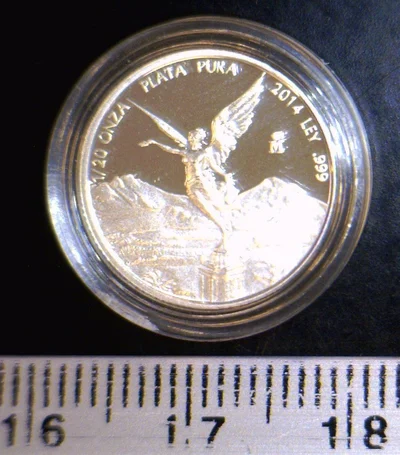
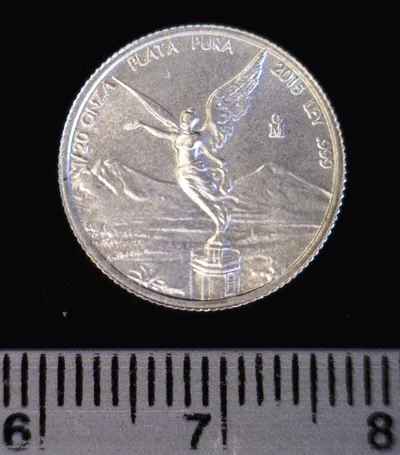
Winged Victory of the Angel of Independence, volcanoes in the background, 'Mo' mint mark, year 2011.
Obverse
Mexican National Coat of Arms, legend 'ESTADOS UNIDOS MEXICANOS'.
The 1/20 oz Silver Libertad 2011 Value is worth between $53 and $58 MXN depending on its grade of preservation.
Prices updated: August 2026
How much is the 1/20 onza 1/20 oz Silver Libertad 2011 Value worth?
The estimated value of the 1/20 onza 1/20 oz Silver Libertad 2011 Value ranges from $53 (circulated, XF) up to $58 (official blister pack), with $56 as a reference for an uncirculated (UNC) piece. The estimate is based on the official mintage and the historical behavior of the family.
The real price depends on four factors: the grade of preservation (a circulated piece is worth the low end of the range; an uncirculated one, or one still in its official blister pack, the high end), the finish (satin vs mirror/proof), the rarity within the series based on the mintage, and the metal spot price on the day of the deal when the piece is silver or gold. Check the value-by-grade table above and compare with equivalent pieces before buying or selling.
Where to buy or sell this coin?
Browse the national directory of numismatic shops or the community forum to trade directly with other collectors.
Price today
How much is the silver in your Onza Libertad worth?
The value of this coin depends on the silver spot price plus a numismatic premium. Check today's up-to-date price.
Description
The 2011 1/20 oz Silver Libertad is worth more than its tiny silver content because only 15,000 were struck. Most raw examples trade in the range of 15 to 40 USD, but a top-graded certified piece can push well past 100 USD. Here's how to tell what yours is worth.
What this coin actually is
The Libertad is Mexico's flagship modern bullion and collector series, issued by Banco de México (the country's central bank). "Onza" is Spanish for ounce, and this is the smallest fractional size in the family: 1/20 of a troy ounce.
Quick specs, straight from Banco de México:
- Metal: .999 fine silver (pure silver)
- Weight: 1.5552 grams (1/20 troy ounce)
- Diameter: 16 mm
- Edge: reeded
- Finish: bullion (satin), the investment version with a uniform satin surface
- Mintage: 15,000 pieces
- Mint mark: "Mo" (Mexico City mint)
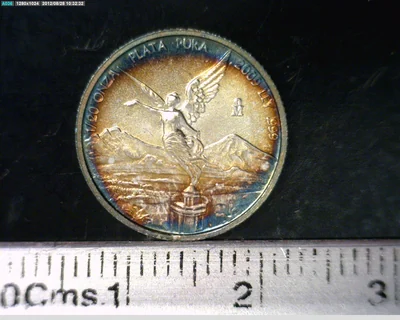
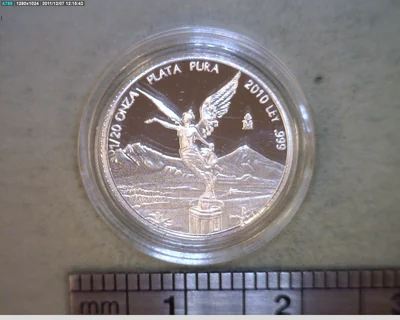
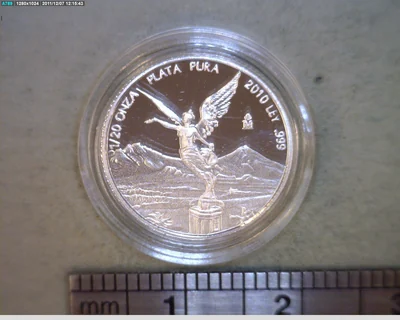
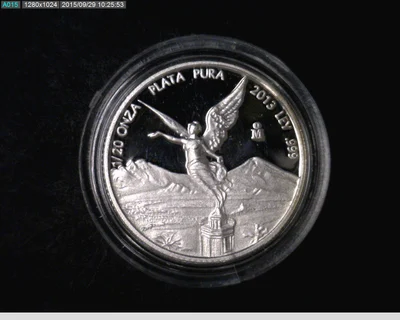
The front (obverse) shows the Mexican National Coat of Arms, an eagle on a cactus devouring a serpent, with the legend "ESTADOS UNIDOS MEXICANOS." The back (reverse) shows the Winged Victory from Mexico City's Angel of Independence monument, framed by the Popocatépetl and Iztaccíhuatl volcanoes, with the year 2011.
How much is it worth in 2026?
Don't start with silver melt. At 1.5552 grams of pure silver, this coin holds only a fraction of a dollar in metal. The value here comes from low mintage and collector demand, not bullion.
At 15,000 pieces, the 2011 1/20 oz is genuinely scarce compared to the larger one-ounce Libertads that run into the hundreds of thousands or millions per year. That scarcity is what supports the premium.
| Condition | Typical value (USD) |
|---|---|
| Circulated / handled | 12 to 20 |
| Uncirculated, raw (BU) | 20 to 40 |
| Certified MS-69 (NGC/PCGS) | 40 to 80 |
| Certified MS-70 (top pop) | 100+ |
These are collector ranges, not fixed quotes. The fractional Libertads are thin-market coins: prices swing with how many collectors are actively completing a set at any given moment. A raw coin with visible fingerprints or milk spots (a common issue on silver Libertads) sits at the low end regardless of date.
The myth: "low mintage means it's worth a fortune"
15,000 is a small number, so people assume big money. In reality, the fractional silver Libertads are collected by a dedicated but limited group, mostly set-builders who want the full 1/20, 1/10, 1/4, 1/2 and 1 oz run for a given year. That caps how high prices go. This is a solid, respectable collector coin, not a four-figure rarity. Anyone quoting you hundreds of dollars for a plain circulated example is overreaching.
Where real money does appear: certified perfect grades. An NGC or PCGS MS-70 with a low population can command a strong premium because grade-registry collectors compete for the finest known. If your coin has been in a drawer getting handled, it is not an MS-70.
Does it have valuable mint errors?
Genuine mint errors (off-center strikes, die rotation, doubled dies, recognized varieties) can multiply value if they're real and verifiable. But most "errors" people post online are post-mint damage: dings, scratches, corrosion, or milk spotting, none of which add value. If you think you have a true error, get it looked at before you get excited.
How to check what yours is worth
- Verify weight and diameter. Use a jewelry scale and calipers. It should weigh 1.5552 g and measure 16 mm. Fakes usually miss on weight or diameter, or show flat, mushy relief.
- Grade honestly. Look for wear, scratches, fingerprints and milk spots under good light. Condition is the single biggest price driver here.
- Consider certification. For a coin this small in value, professional grading (NGC/PCGS) only makes sense if you believe you have a near-perfect example. For an average coin, the grading fee can exceed the coin's value.
- Photograph both sides and the edge before you sell, so a buyer can assess it remotely.
Where to sell it
For the best result, use a verified numismatic shop from the Pesoteca directory, which can value it on the spot, or the Pesoteca buy-and-sell forum where set-builders actually want fractional Libertads. Because this is a precious-metal coin, only deal with buyers who let you see the piece and confirm the weight first. Skip dumping it to the first Facebook offer, and always cross-check the grade and both-side photos against the ranges above.
Want a second opinion before you sell? Post clear photos in the Pesoteca forum and let collectors who chase these fractionals tell you what yours is really worth.
Historical context
1/20 troy ounce Libertad silver 2011 Regular BU
This piece is the silver Libertad of 1/20 troy ounce, struck by the Mexico City Mint in 2011 in its Regular BU version.
Technical data. It contains 1.55 g of pure silver at .999 fineness and measures 16 mm in diameter. On the reverse it bears the effigy of the Angel of Independence, adopted by Banxico as the official symbol of the series since 1981. On the obverse appears the National Coat of Arms in its pre-1969 version, along with other historical coats of arms as an identity mark of the family.
Role within the set. It is the smallest fraction of the set. It serves as an entry piece, a gift, or a first contact with the series: it costs little per specimen but carries the highest premium of the family over the value of the silver it contains, because the die cost is spread over fewer grams.
Context of the year. In 2011 Felipe Calderon Hinojosa was in office. Silver reached an intraday high close to 49 USD per troy ounce in April, near the historic Hunt record of 1980. It closed the year at 28.18 USD.
Regular BU finish. The Regular finish, cataloged by Banxico as satin or BU, is produced with dies without special polishing. The result is an even matte shine over the entire surface, without mirror contrast between fields and reliefs. It is the traditional bullion finish: it is bought for its weight in pure silver plus a modest die premium. It is the version hunters look for to build the complete set by year without decapitalizing on each piece.
Mintage. Banxico reported in its official tables a strike of 24,723 pieces for this combination of fraction, year, and finish. That number is the basis for measuring the relative scarcity of the piece within the program.
This piece belongs to the era
Nuevos Pesos y actualidad →Explore all the Mexican coins of this era, their historical context and how they connect to the monetary system of the period.
Value range of this piece
Market estimate: $53 - $58 MXN depending on the grade of preservation (typical range between a circulated and an uncirculated piece).
See the full breakdown by grade (VG, F, VF, EF, AU, MS-60, MS-63, MS-65) for the whole series →
Other denominations from 2011
Onza Libertad · Plata 0.999
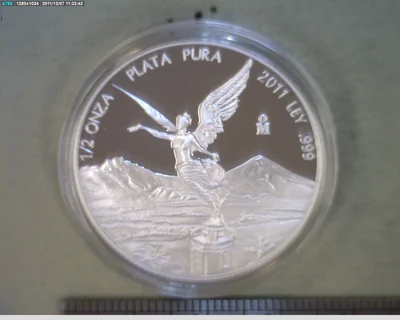
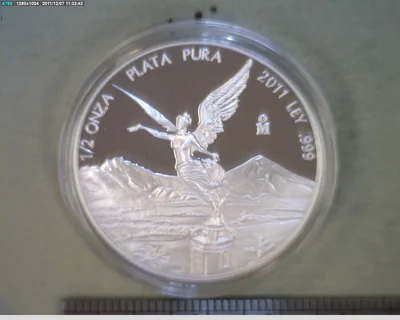
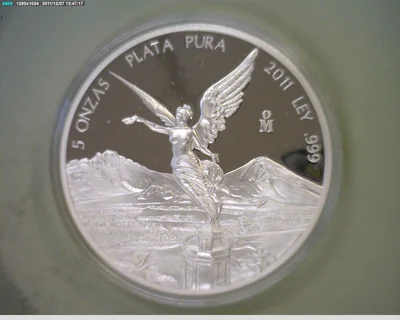
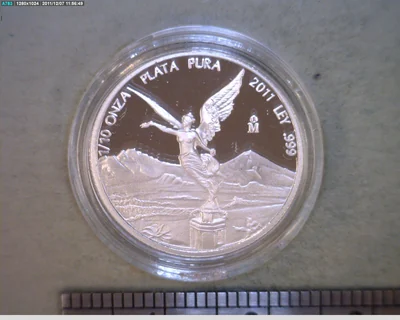
Same denomination, other years
1/20 onza Plata 0.999 · Onza Libertad
Frequently asked questions
How much is a 2011 1/20 oz Silver Libertad worth?
A circulated or handled example typically brings 12 to 20 USD, an uncirculated raw coin 20 to 40 USD, and a certified MS-69 around 40 to 80 USD. A top-graded MS-70 can exceed 100 USD. Grade is the main price driver, since the silver content itself is only a fraction of a dollar.
Is the 2011 1/20 oz Silver Libertad rare?
It's scarce, with an official Banco de México mintage of 15,000 pieces, far lower than the larger one-ounce Libertads. That low mintage supports a collector premium, but demand comes from a limited group of set-builders, so it's a respectable collector coin rather than a four-figure rarity.
Where can I sell my 2011 1/20 oz Silver Libertad?
The safest options are a verified numismatic shop from the Pesoteca directory (/tiendas), which can value it in person, or the Pesoteca buy-and-sell forum (/foro/compra-venta), where collectors actively want fractional Libertads. Photograph the obverse, reverse and edge, and check the price range on this page before selling. Only deal with buyers who confirm the weight in front of you.
How can I tell if my 2011 1/20 oz Silver Libertad is genuine?
Weigh and measure it with a jewelry scale and calipers: it should be 1.5552 grams and 16 mm across. Counterfeits often miss on weight or diameter, or show flat relief and uneven surfaces. Be suspicious of any offer priced far below the metal and collector value.
Conversation
0 comments
Sources
Images for informational and educational purposes, attributed to their original source. Reference values; the real price depends on the grade, the specific variant and demand.
Loading comments…