
1/20 Onza Libertad Silver 2000: What It's Worth
The 1/20 Onza Libertad Silver 2000: What It's Worth is worth between $52 and $57 MXN depending on its grade of preservation.
Prices updated: August 2026
New Series die · Pure silver .999
New Series die · Pure silver .999
Design
Banxico
Reverse
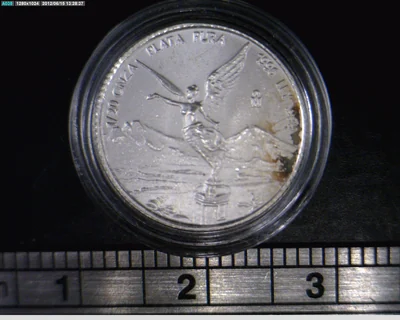
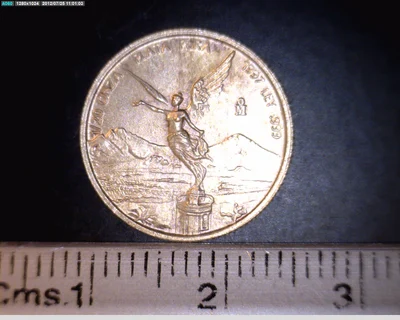
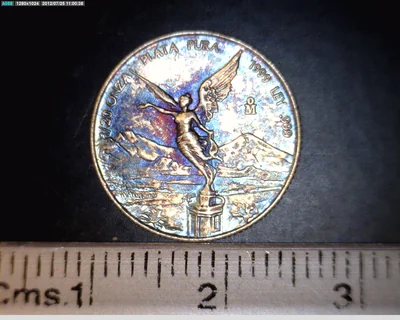
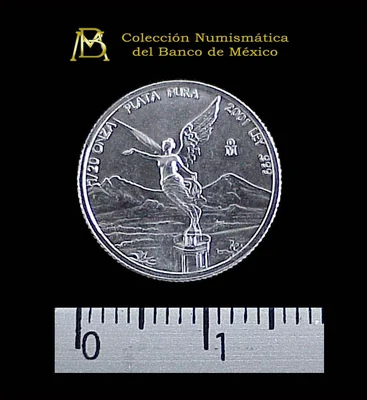
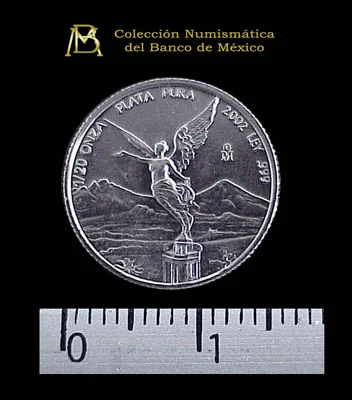
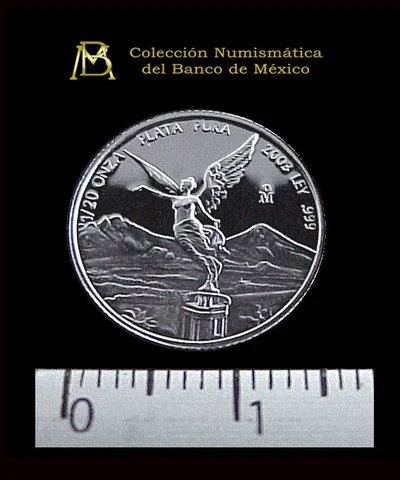
Winged Victory (Angel of Independence) before the Popocatepetl and Iztaccihuatl volcanoes. Inscription "1/20 ONZA TROY DE PLATA PURA".
Obverse
Mexican National Coat of Arms surrounded by historical eagles and elements from the Codex Mendoza. Inscription "ESTADOS UNIDOS MEXICANOS".
The 1/20 Onza Libertad Silver 2000: What It's Worth is worth between $52 and $57 MXN depending on its grade of preservation.
Prices updated: August 2026
How much is the 1/20 Onza Libertad Silver 2000: What It's Worth worth?
The estimated value of the 1/20 Onza Libertad Silver 2000: What It's Worth ranges from $52 (circulated, XF) up to $57 (official blister pack), with $55 as a reference for an uncirculated (UNC) piece. The estimate is based on the official mintage and the historical behavior of the family.
The real price depends on four factors: the grade of preservation (a circulated piece is worth the low end of the range; an uncirculated one, or one still in its official blister pack, the high end), the finish (satin vs mirror/proof), the rarity within the series based on the mintage, and the metal spot price on the day of the deal when the piece is silver or gold. Check the value-by-grade table above and compare with equivalent pieces before buying or selling.
Where to buy or sell this coin?
Browse the national directory of numismatic shops or the community forum to trade directly with other collectors.
Price today
How much is the silver in your Onza Libertad worth?
The value of this coin depends on the silver spot price plus a numismatic premium. Check today's up-to-date price.
Description
If you found a tiny Mexican silver coin marked "1/20 Onza" dated 2000, you may have something better than the usual pocket change. This one is a low-mintage bullion coin: Mexico's Casa de Moneda struck only 939 pieces in the satin finish that year. That scarcity is what separates it from the millions of ordinary Libertads that trade near melt value.
What it is (in plain English)
"Onza" means ounce, and "Libertad" is the name of Mexico's flagship silver and gold bullion series. The full-size coin is one troy ounce; this is the smallest fraction, 1/20 of an ounce. So it's a very small silver coin, about the size of a dime.
The design shows Mexico's national coat of arms on the front (surrounded by historic eagles from the Códice Mendocino, an Aztec pictorial manuscript) and the Winged Victory, the golden angel that tops Mexico's Independence monument in Mexico City, on the back, with the Popocatépetl and Iztaccíhuatl volcanoes behind her. This is the design introduced in 1996 and made official in May 1999.
Specifications (keep these to check yours)
| Spec | Value |
|---|---|
| Metal | Pure silver .999 fine |
| Weight | 1.5552 g |
| Diameter | 16 mm |
| Edge | Reeded |
| Year | 2000 (single year for this issue) |
| Official mintage (satin finish) | 939 pieces |
If your coin doesn't match that weight and diameter, treat it as suspect.
What is it worth?
There are two different questions hiding in "what's it worth," and they give very different answers.
As silver: At 1.5552 grams of .999 silver, this coin contains about 0.05 troy ounce of pure silver. Its bullion floor is small, roughly the value of that sliver of silver at spot, which is a few dollars. That's the absolute minimum any genuine piece is worth.
As a collector coin: This is where the 939-piece mintage matters. A satin-finish 2000 with a documented mintage this low is genuinely scarce, and that puts it well above melt for the right buyer. Circulated or damaged examples still sell in the low tens of dollars. Clean, uncirculated examples, and especially pieces certified by NGC or PCGS in high grades (MS-65 and up), can command a strong multiple of melt, from the tens into the low hundreds of dollars depending on grade and how badly two collectors want the same coin.
We won't quote a fake exact figure. The honest range for this issue runs from a few dollars for a worn or uncertain piece to a few hundred dollars for a certified high grade. Grade and certification are what move the number.
How to tell if yours is genuine
For a small silver coin, fakes exist, so verify before you buy or sell.
- Weigh and measure it. It must be 1.5552 g and 16 mm. A jeweler's scale settles most doubts.
- Check the edge. It should be reeded (fine vertical grooves), not smooth or crudely cut.
- The ping test. Real .999 silver rings with a clear, sustained high tone when balanced on a fingertip and tapped gently. A dull, short thud suggests a base-metal fake.
- Get it certified. For a coin this scarce, professional grading by NGC or PCGS is the definitive answer. The slab confirms authenticity and locks in the grade that determines value.
Where to sell it (US and beyond)
- Certified first. If it grades well, a slab from NGC or PCGS gets you the best price and the widest pool of buyers.
- Auction houses. For genuinely scarce, high-grade Mexican pieces, Heritage Auctions and Stack's Bowers reach serious collectors of Mexican numismatics.
- Verified dealers. A numismatic dealer from the Pesoteca directory can appraise it on the spot without middleman markup.
- Collector marketplaces. The Pesoteca buy-and-sell forum puts you in front of people who understand the Libertad series and its finishes.
Wherever you sell, photograph the obverse, reverse, and edge, and never ship or hand over a precious-metal coin before payment clears.
Satin vs. mirror finish (why it matters)
The 2000 issue exists in a satin (matte) finish and mirror (proof) variants. This listing covers the satin version, the base coin of the ON family within the year; the mirror variants are cataloged separately. Finish affects both scarcity and price, so identify which one you have before comparing to any sold figure. If you're unsure, a certified grade will state the finish.
Got a 1/20 Onza Libertad you can't identify or grade? Post clear photos of both sides and the edge in the Pesoteca forum and let collectors who track this series weigh in before you sell.
Historical context
1/20 troy oz Libertad silver 2000 Regular BU
This piece is the 1/20 troy oz silver Libertad, minted by the Mexican Mint in 2000 in its Regular BU version.
Technical details. It contains 1.55 g of pure silver, .999 fineness, and measures 16 mm in diameter. The reverse bears the effigy of the Angel of Independence, adopted by Banxico as the official symbol of the series since 1981. The obverse shows the National Coat of Arms in its pre-1969 version, alongside other historical coats of arms as the family's mark of identity.
Role within the set. It is the smallest fraction of the set. It serves as an entry-level piece, a gift, or a first contact with the series: it costs little per example but carries the highest premium in the family over the value of the silver it contains, because the die cost is spread across fewer grams.
Context of the year. In 2000 Ernesto Zedillo was in office until November and Vicente Fox from December 1. Political alternation: the PAN won the Presidency for the first time. Silver closed at 4.57 USD per troy ounce in New York.
Regular BU finish. The Regular finish, cataloged by Banxico as satin or BU, is produced with dies that receive no special polishing. The result is an even matte luster across the entire surface, with no mirror contrast between fields and reliefs. It is the traditional bullion finish: bought for its weight in pure silver plus a modest die premium. It is the version collectors seek to build the complete set by year without decapitalizing on each piece.
Mintage. Banxico reported in its official tables a strike of 939 pieces for this combination of fraction, year, and finish. That number is the basis for measuring the piece's relative scarcity within the program.
This piece belongs to the era
Nuevos Pesos y actualidad →Explore all the Mexican coins of this era, their historical context and how they connect to the monetary system of the period.
Value range of this piece
Market estimate: $52 - $57 MXN depending on the grade of preservation (typical range between a circulated and an uncirculated piece).
See the full breakdown by grade (VG, F, VF, EF, AU, MS-60, MS-63, MS-65) for the whole series →
Other denominations from 2000
Onza Libertad · Plata 0.999
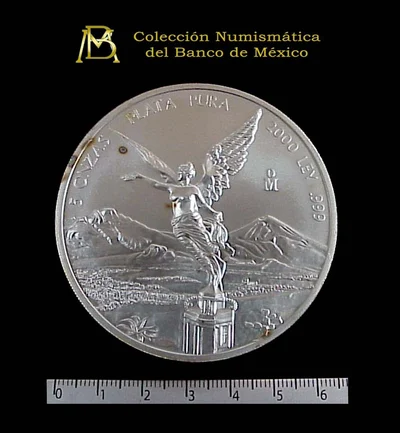
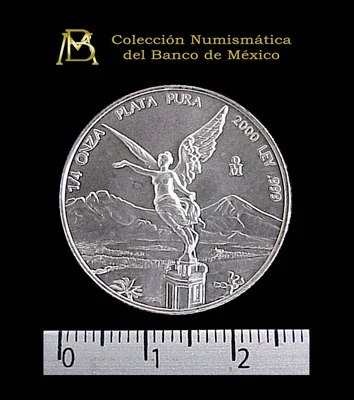
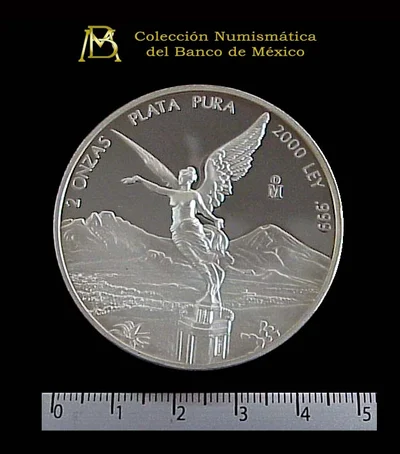
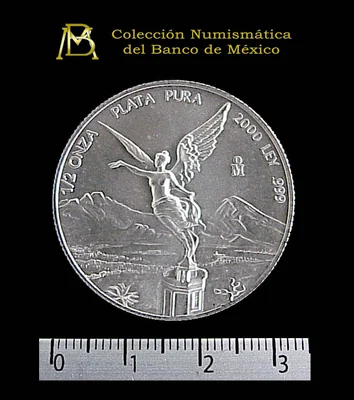
Same denomination, other years
1/20 onza Plata 0.999 · Onza Libertad
Frequently asked questions
How much is a 1/20 Onza Libertad Silver 2000 worth?
It depends heavily on grade. A worn or uncertain piece is worth a few dollars, near its small silver melt value (about 0.05 troy ounce of .999 silver). Clean uncirculated examples, and especially NGC or PCGS certified high grades like MS-65, can bring from the tens into the low hundreds of dollars, thanks to the low 939-piece satin mintage. For an exact figure on your coin, get it certified.
Is the 1/20 Onza Libertad Silver 2000 rare?
Yes, comparatively. Mexico's Casa de Moneda reports an official mintage of just 939 pieces in the satin finish for 2000, which is very low for a bullion series. That scarcity is exactly what lets it sell well above its silver melt value for the right collector.
How can I tell if my 1/20 Onza Libertad Silver 2000 is genuine?
It must weigh 1.5552 g, measure 16 mm, and have a reeded edge. Real .999 silver rings with a clear, sustained high tone when tapped, while fakes sound dull and short. For a scarce coin like this, professional grading from NGC or PCGS is the definitive confirmation of both authenticity and grade.
Where can I sell a 1/20 Onza Libertad Silver 2000?
If it grades well, sell it certified (NGC or PCGS) for the best price. Options include Heritage Auctions or Stack's Bowers for high-grade pieces, a verified dealer from the Pesoteca directory for an on-the-spot appraisal, or the Pesoteca buy-and-sell forum among collectors. Always photograph the obverse, reverse, and edge, and get payment before handing over the coin.
Conversation
0 comments
Sources
Images for informational and educational purposes, attributed to their original source. Reference values; the real price depends on the grade, the specific variant and demand.
Loading comments…