
1/10 oz Silver Libertad 1992: Value & How to Sell
The 1/10 oz Silver Libertad 1992: Value & How to Sell is worth between $105 and $115 MXN depending on its grade of preservation.
Prices updated: August 2026
Chunky die · Pure silver .999
Chunky die · Pure silver .999
Design
Banxico
Reverse
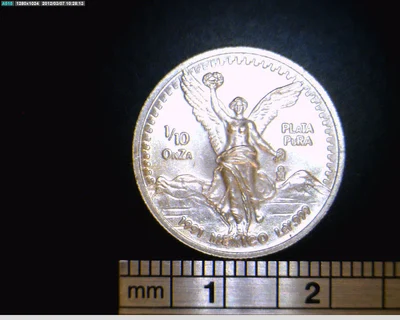
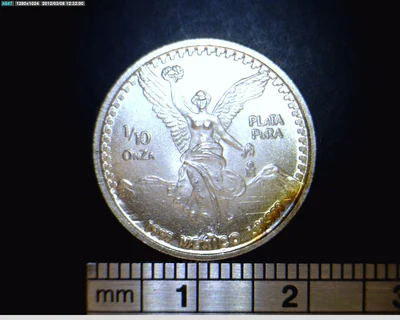
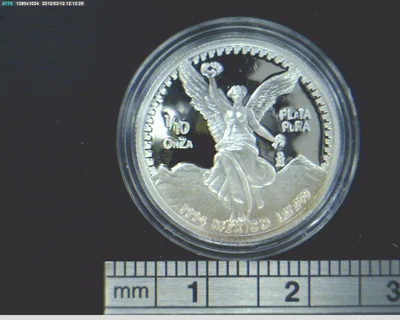
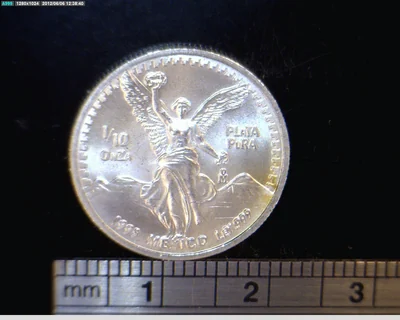
Winged Victory (Angel of Independence) facing the Popocatépetl and Iztaccíhuatl volcanoes. Inscription "1/10 ONZA TROY DE PLATA PURA".
Obverse
Mexican National Coat of Arms. Inscription "ESTADOS UNIDOS MEXICANOS".
The 1/10 oz Silver Libertad 1992: Value & How to Sell is worth between $105 and $115 MXN depending on its grade of preservation.
Prices updated: August 2026
How much is the 1/10 onza 1/10 oz Silver Libertad 1992: Value & How to Sell worth?
The estimated value of the 1/10 onza 1/10 oz Silver Libertad 1992: Value & How to Sell ranges from $105 (circulated, XF) up to $115 (official blister pack), with $111 as a reference for an uncirculated (UNC) piece. The estimate is based on the official mintage and the historical behavior of the family.
The real price depends on four factors: the grade of preservation (a circulated piece is worth the low end of the range; an uncirculated one, or one still in its official blister pack, the high end), the finish (satin vs mirror/proof), the rarity within the series based on the mintage, and the metal spot price on the day of the deal when the piece is silver or gold. Check the value-by-grade table above and compare with equivalent pieces before buying or selling.
Where to buy or sell this coin?
Browse the national directory of numismatic shops or the community forum to trade directly with other collectors.
Price today
How much is the silver in your Onza Libertad worth?
The value of this coin depends on the silver spot price plus a numismatic premium. Check today's up-to-date price.
Description
If you inherited or found a 1992 1/10 oz Silver Libertad, here's the straight answer: circulated, it's worth a small premium over its silver melt value, roughly a few dollars to the low double digits. Certified in top grade (MS-69 or MS-70), it can bring 50 to 150 USD or more. It is not a rare date, but it is real .999 silver, so it always has a floor.
What you actually have
The Libertad (full name: Onza Libertad) is Mexico's official silver bullion series, struck by the Casa de Moneda de México since 1982. The design is the same one collectors chase worldwide: the Mexican Coat of Arms on the front, and the Winged Victory (the Angel of Independence statue in Mexico City) with the Popocatépetl and Iztaccíhuatl volcanoes behind her on the back.
Your piece is the smallest of the small: the 1/10 ounce fraction. Here are the exact specs, which double as your first authenticity check:
| Spec | Value |
|---|---|
| Metal | .999 fine silver |
| Weight | 3.11 grams |
| Diameter | 20 mm |
| Edge | Reeded |
| Year | 1992 (one-year strike for the date) |
| Series | 1982-1995 ("thick die" / cuño gordita variant) |
The 1/10 oz denomination joined the series in 1991, when the Bank of Mexico added fractional sizes to the original one-ounce line. That makes 1992 one of the early fractional dates, which collectors like. It belongs to the older "thick die" tooling (1982-1995), thicker and slightly narrower than the modern die used since 1996.
How much is a 1992 1/10 oz Silver Libertad worth?
Because it contains only about 1/10 of an ounce of silver, the melt value is small: roughly 2 to 4 USD depending on the silver spot price on any given day. That is the floor. It will never be worth less than the silver in it.
Above melt, value depends almost entirely on grade and eye appeal:
- Circulated, worn: a small premium over melt, call it 5 to 15 USD.
- Uncirculated (BU), raw: roughly 15 to 40 USD.
- Certified MS-69 / MS-70 (NGC or PCGS): 50 to 150 USD or higher for a flawless example, since the fractional Libertads are harder to find in perfect condition than the one-ounce coins.
Do not expect four-figure numbers. The 1992 1/10 oz is collectible and genuinely silver, but it is not one of the six-figure Mexican rarities. Anyone quoting you thousands for a common-date fractional Libertad is either mistaken or hoping you are.
Is it rare?
Not in the strict sense. The Bank of Mexico does not publish official mintage figures for the 1982-1995 era (public records only begin in the year 2000), so exact numbers for this date are not documented. Low documented mintage sounds exciting, but for the small fractions it usually reflects limited collector demand rather than true scarcity. What makes any Libertad valuable is condition, not age. A pristine, certified example of an early fraction like this one carries a real premium; a worn one does not.
How to tell if yours is genuine
Start with the numbers in the table. A real 1992 1/10 oz Libertad weighs 3.11 grams and measures 20 mm. If yours is off on weight or diameter, stop there.
Quick checks you can do at home:
- Weigh it on a scale that reads to 0.01 g. It should read 3.11 g.
- Measure the diameter: 20 mm exactly.
- Ping test: genuine silver rings with a high, sustained tone when balanced on a fingertip and tapped gently. Fakes sound dull and short.
- Magnet test: silver is not magnetic. If it sticks, it's fake.
For anything you plan to sell as a certified coin, send it to NGC or PCGS. Their holder is the definitive proof of authenticity and grade, and it's what serious buyers want to see.
Where to sell it
Because it's a precious-metal coin, you have a floor and you'll always find a buyer. Your best options:
- A reputable coin dealer or bullion shop that will weigh it and make an offer on the spot.
- Established collector marketplaces and specialist forums, where fractional Libertads have a steady following.
- Certified auction (Heritage, Stack's Bowers) only makes sense for a high-grade certified example, not a single circulated fraction.
Whatever route you take, photograph the front, back, and edge, and confirm the weight before agreeing on a price. If you have a small stack, you'll get a better per-coin rate than selling one at a time. To see current collector interest and get a read on your specific piece, post clear photos in the Pesoteca forum or check our verified dealer directory for someone near you.
Got a full set of Libertad fractions, or an early date you think might be scarcer? Share the year and grade in the Pesoteca buy-and-sell forum and let the community weigh in before you sell.
Historical context
1/10 troy ounce Libertad silver 1992 Regular BU
This piece is the 1/10 troy ounce silver Libertad Onza, struck by the Mexican Mint in 1992 in its Regular BU version.
Technical sheet. It contains 3.11 g of pure silver, fineness .999, and measures 20 mm in diameter. The reverse bears the effigy of the Angel of Independence, chosen by Banxico as the official symbol of the series since 1981. The obverse shows the National Coat of Arms in its pre-1969 version, alongside other historical coats of arms as the family's mark of identity.
Role within the set. It is a small fraction but already with presence in the hand. It is used as a gift piece and as an entry point to serious collecting. The premium over spot remains higher than that of the full ounce due to the weight of the die over few grams.
Context of the year. In 1992 Carlos Salinas de Gortari was in office. The Nuevo Peso came into force starting January 1, 1993, removing three zeros. The 1992 dies are the last with the denomination before the change.
Regular BU finish. The Regular finish, cataloged by Banxico as satin or BU, is obtained with dies without special polishing. The result is an even matte shine across the whole surface, with no mirror contrast between fields and reliefs. It is the traditional bullion finish: bought for its weight in pure silver plus a modest die premium. It is the version hunters look for to build the complete set by year without decapitalizing on each piece.
Mintage. The exact mintage of this combination does not appear in the Banco de México public tables 2000-2025. For pieces outside that range the specific Mint catalog must be consulted.
This piece belongs to the era
México Moderno (pre-1992) →Explore all the Mexican coins of this era, their historical context and how they connect to the monetary system of the period.
Value range of this piece
Market estimate: $105 - $115 MXN depending on the grade of preservation (typical range between a circulated and an uncirculated piece).
See the full breakdown by grade (VG, F, VF, EF, AU, MS-60, MS-63, MS-65) for the whole series →
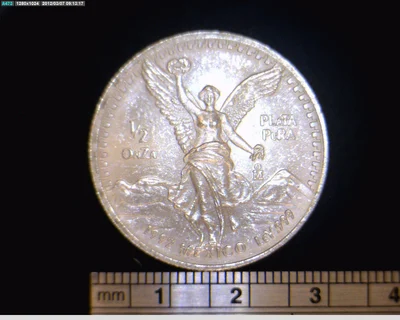
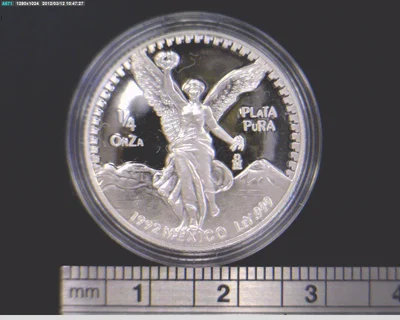
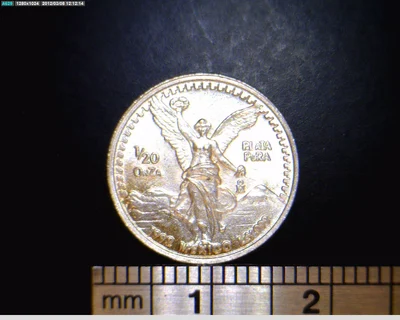
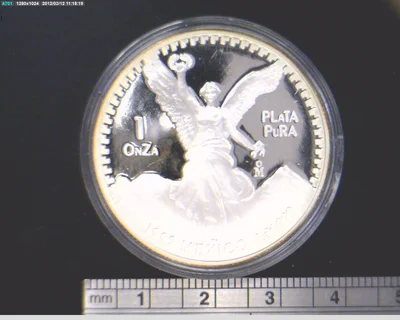
Other denominations from 1992
Onza Libertad · Plata 0.999
Same denomination, other years
1/10 onza Plata 0.999 · Onza Libertad
Frequently asked questions
How much is a 1992 1/10 oz Silver Libertad worth?
It depends on condition. Circulated, expect a small premium over silver melt (roughly 5 to 15 USD). Uncirculated raw runs about 15 to 40 USD, and a certified MS-69 or MS-70 example can bring 50 to 150 USD or more. The silver in it sets a floor of a few dollars, so it's never worthless.
Is the 1992 1/10 oz Silver Libertad rare?
Not truly rare. The Bank of Mexico never published official mintage figures for the 1982-1995 era, so exact numbers aren't documented. Value comes from grade, not age. A pristine certified example carries a real premium; a worn one is worth little over melt.
How do I know if my 1992 1/10 oz Silver Libertad is genuine?
It should weigh exactly 3.11 grams and measure 20 mm across. Silver is not magnetic and rings with a high, sustained tone when tapped. Fakes sound dull and often fail the weight or magnet test. For a valuable piece, certification by NGC or PCGS is the definitive proof.
Where can I sell a 1992 1/10 oz Silver Libertad?
A reputable coin dealer or bullion shop will weigh it and buy it on the spot, since it has a silver floor. Collector forums and specialist marketplaces work well too. Photograph the front, back, and edge and confirm the weight before agreeing on a price. Check the Pesoteca dealer directory or forum to find buyers.
Conversation
0 comments
Sources
Images for informational and educational purposes, attributed to their original source. Reference values; the real price depends on the grade, the specific variant and demand.
Loading comments…