
En resumen
Most 1 oz silver Libertads are worth silver spot plus a small premium. But a few low-mintage years, like the 2000 with 1,284 coins, sell for many times that.
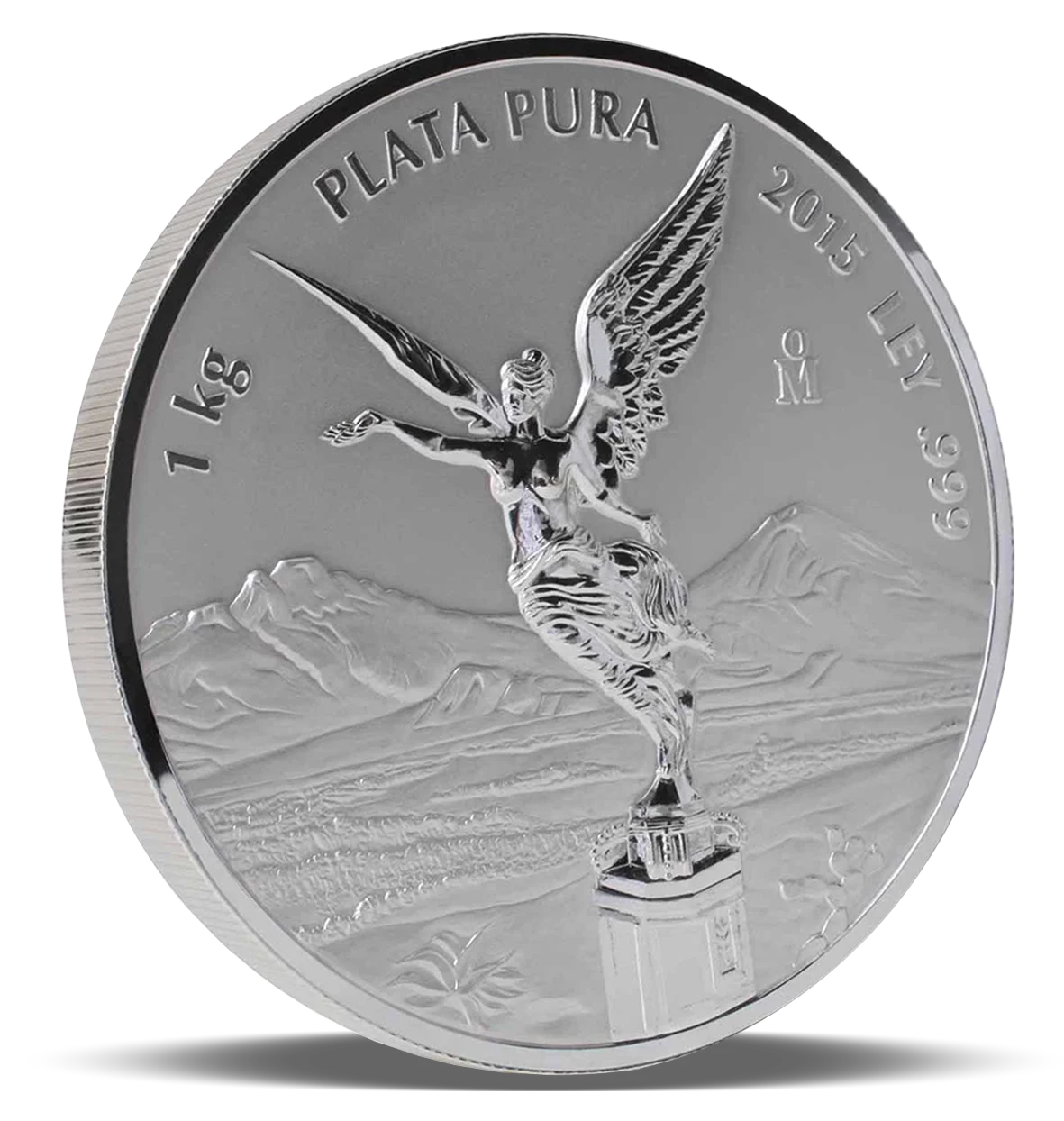
Most 1 oz silver Onza Libertad coins are worth the price of the silver they contain plus a small premium, roughly 25 to 40 dollars in 2026. But a handful of specific years are worth many times that because so few were struck. The difference comes down to one thing: the year on the coin.
The Onza Libertad is Mexico's official silver bullion coin, minted by the Casa de Moneda de México (the Mexican Mint) and issued through Banco de México (Banxico, the central bank). One troy ounce of .999 fine silver. If you inherited one or found a few, here is how to tell a common piece from a genuinely valuable one.
What a 1 oz silver Libertad is worth today
A standard bullion Libertad has a value floor equal to the silver spot price on the day you sell. That is the melt value, and no honest buyer pays less. On top of that floor sits a premium from the mint, a distributor, or a reseller, which varies widely depending on the year and how easy the coin is to find.
Common years (2009, 2011, most modern bullion strikes) trade at spot plus a modest premium. Scarce years trade at a multiple of spot, sometimes 10 to 20 times melt value for the rarest dates in top condition. For a firm figure on your exact coin, the honest answer is to have it looked at with clear photos of both sides.
The five things that decide the price
- Silver spot price of the day. A bullion Libertad rises and falls with the international silver market. That is your baseline.
- Year of issue. Banxico publishes official mintage figures by year, and the gap between a 2000 and a 2009 is enormous.
- The design series. The thick "gordita" design (1982 to 1995) versus the "Nueva Serie" (New Series, 1996 onward, made official by Mexican federal decree on May 20, 1999).
- Finish. Satin bullion versus mirror proof. These are two different collectibles and are not valued the same way.
- Condition and grade. Circulated, uncirculated (UNC/BU), or certified MS-69 or MS-70 by NGC or PCGS. Grade can move the price into a different league entirely.
The rare years, straight from Banxico mintages
These figures come from Banco de México's official mintage records, 2000 to 2025 (coins struck, not coins in circulation).
Satin bullion 1 oz silver, the scarcest years
| Year | Coins struck | Why it matters |
|---|---|---|
| 2000 | 1,284 | Scarcest modern satin year |
| 2003 | 3,173 | Very low mintage |
| 2005 | 3,908 | Low mintage |
| 2004 | 4,086 | Low mintage |
| 2001 | 4,829 | Low mintage |
| 2002 | 4,972 | Low mintage |
| 2009 | 1,442,857 | Common, sells near spot |
| 2011 | 1,208,758 | Common, sells near spot |
Compared to 2009 (over 1.4 million coins) or 2011 (1.2 million), the 2000 through 2005 dates are micro-mintages. The market prices them in multiples of spot, not spot plus a fixed premium.
Mirror proof 1 oz silver, the scarcest years
| Year | Coins struck |
|---|---|
| 2022 | 3,393 |
| 2021 | 3,834 |
| 2025 | 4,047 |
| 2006 | 4,081 |
| 2014 | 4,855 |
Proof coins are struck in far smaller quantities than bullion and come in official Banxico packaging. A 2022 proof (3,393 coins) is not valued against silver spot at all. It is valued against how many still exist in sealed original packaging.
Gordita versus Nueva Serie
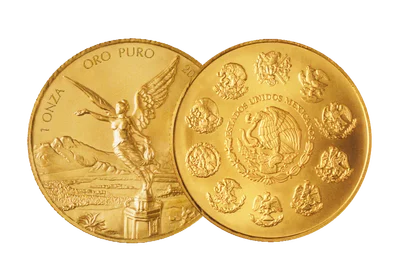
The "gordita" (thick) design ran from 1982 to 1995 in silver, the original layout set by Banxico. In 1996 the Nueva Serie began, made official by the federal decree of May 20, 1999. It added historical eagle designs and elements from the Códice Mendocino around the national coat of arms, with a clear separation between satin and proof finishes.
For Mexican collectors, the 1995 is the final year of the gordita design, which makes it a sought-after closing piece and a magnet for inflated asking prices. The difference between an uncirculated 1995 and a worn, circulated example changes the value by a wide margin. Check the full listing for the 1995 1 oz silver Libertad and the rest of the run in the Onza Libertad series.
Finish and grade: when certification is worth it
Satin is the standard bullion piece for stackers and general collectors. Proof (mirror finish) is struck in much smaller numbers and shipped in official Banxico packaging. A proof 2022 with only 3,393 coins is judged by real availability in sealed Banco de México blister packs, not by melt value.
NGC and PCGS are the two grading services the market recognizes. For low-mintage pieces (the 2000, the 2003, the modern proofs), paying to have the coin certified in an MS-69 or MS-70 holder is usually justified because the grade drives the price. For a common 2011 bullion coin, it is not worth the cost. The grading fee would eat most of the coin's premium.
Where to check the real price
- Silver spot price. This is your floor. A common Libertad will not fall far below melt.
- Year and mintage. Match your coin's date against the tables above. A low-mintage satin or proof year is the only thing that pushes value well past spot.
- Official Banxico bullion price. The Casa de Moneda price is usually higher than a reseller's, especially for proof issues.
- A knowledgeable appraisal. For anything you suspect is a rare year, get it looked at with photos before you sell.
Within Pesoteca's own cataloging system, the entire Libertad bullion family (silver and gold, all denominations and finishes) is grouped under one code, with a unique ID for each distinct physical coin. You can see how Pesoteca catalogs the series there.
If you are thinking about putting money into silver rather than just valuing what you already own, read whether it makes sense to invest in the Onza Libertad and the full guide to buying physical precious metals.
Have a Libertad and you are not sure what it is worth? Post it in the Pesoteca forum with a clear photo, the year, and the finish. What year is on yours?
Loading comments…