
Mexico 500 Pesos Ignacio Zaragoza (2006): Value Guide
Familia F · algodón
Period: México Contemporáneo
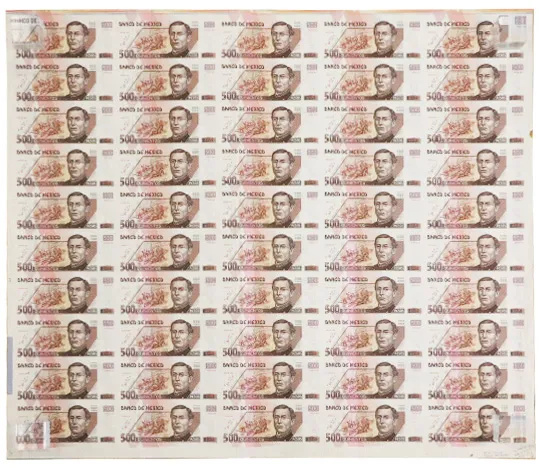
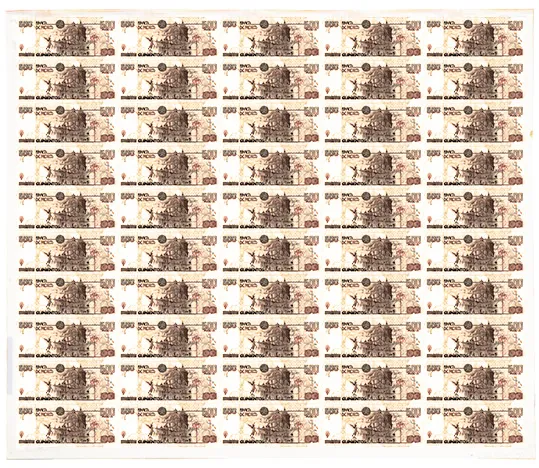
Design
Banxico
Obverse
Ignacio Zaragoza
Portrait of General Ignacio Zaragoza
Reverse
The Puebla cathedral, with its bell tower and domes
About this banknote
Most Mexican 500 peso notes with Ignacio Zaragoza are worth exactly their face value, roughly 25 to 30 US dollars at the exchange rate, and nothing more. A few sell for several times that, but only for specific reasons: uncirculated condition, a special serial number, or a genuine printing error. Here is what actually drives the price and how to check yours.
This note belongs to the Banco de México Series F family (the Spanish catalogs call it familia F). The front carries General Ignacio Zaragoza, the commander who defeated the French army on May 5, 1862, alongside a scene of the Battle of Puebla fought on the Loreto and Guadalupe hills. The back shows the Puebla Cathedral with its bell tower and domes.
This is an older 500 peso design, issued before the later notes featuring Diego Rivera and Frida Kahlo, and before the current Benito Juárez note. Collectors frequently confuse the family, so check the year and the security features on your note before assuming it is rare.
What it's worth right now
If the note still passes at a bank or store in Mexico, its baseline is face value: 500 pesos, roughly 25 to 30 USD depending on the exchange rate. That is the floor. As a collectible, the value jumps only for three reasons:
1. Uncirculated condition. A note with no folds, no stains, no soft corners, crisp and bright, is the version collectors want. A well-worn note is worth face value and nothing else. Grade is the single biggest factor.
2. A fancy serial number. A low serial (for example 00000123), a radar or palindrome serial (reads the same backward, called capicúa in Spanish, like 1234321), a repeater, or a solid serial pushes demand up. Graded and slabbed by PMG or PCGS Banknote, these can bring a real premium.
3. A genuine printing error. Misaligned cuts, ink smears, a factory fold, or a miscut serial can turn a common note into a piece worth several times face. Normal wear and use damage is not a factor error and adds no value.
Outside of those three cases, a circulated Series F 500 peso note is worth its face and no more. There is no hidden fortune here. What tends to happen is that once a denomination or design is pulled from circulation, collectors start hunting clean, uncirculated examples, and prices for the best-preserved notes firm up over time.
The myth to kill
Age alone does not make a Mexican note valuable. A 2006 note is not old by collecting standards, and millions were printed. Sellers on social media sometimes list ordinary circulated notes for absurd prices. Real value comes from condition, a special serial, or a documented error, verified against the note in hand, not from the year on the front.
How to tell if yours is genuine
Check the security features the Banco de México built into the note:
- Watermark: hold the note to the light. The portrait watermark is inside the paper, not printed on the surface. A fake usually has a printed, flat imitation.
- Security thread: a thread embedded in the paper, visible against light.
- Microprinting: tiny text that stays sharp under magnification.
- Raised ink (intaglio): run your finger over the portrait and figures. A genuine note has tactile relief. A counterfeit often feels completely smooth.
If the note feels slick and flat with no relief, and the watermark looks printed rather than embedded, treat it as suspect.
Where to sell it
For a fair price, work with buyers who know world paper money. Options that work for a US or international collector:
- Dealers and auction houses that handle world banknotes (Heritage Auctions and Stack's Bowers both run currency sales) if your note is genuinely scarce or high-grade.
- PMG or PCGS Banknote grading before selling anything you think is uncirculated or error, since a graded holder proves condition and authenticity to buyers.
- The Pesoteca community. Post clear photos of both sides in good light and check the serial and condition with collectors before you agree to anything.
Photograph the front and back, note the serial number, and look for a low, radar, or repeated serial or any printing anomaly before you set a price. Do not dump it on the first social media offer.
Want a second opinion? If your note has an unusual serial or you think it has a real error, post it in the Pesoteca forum and the community will take a look.
Historical context
This 500-peso note honors on its obverse General Ignacio Zaragoza, born in 1829 in what is today Goliad, Texas, then Mexican territory. A career soldier and Minister of War, he went down in history for commanding the Army of the East at the Battle of Puebla on May 5, 1862, when outnumbered Mexican forces defeated the French army, considered the most powerful of the age. Alongside his effigy is reproduced a fragment of the work by José Cusachs depicting that combat on the hills of Loreto and Guadalupe.
The reverse presents the Cathedral of Puebla, with its towers and domes, an emblem of the city that was the scene of the feat.
As part of the F family launched in 2006, this 500-peso denomination with Zaragoza preceded the later redesign that would bring Diego Rivera and Frida Kahlo, in the constant evolution of the Mexican banknote.
Frequently asked questions
How much is the Mexico 500 pesos Ignacio Zaragoza note worth?
If it still circulates, it is worth face value, about 25 to 30 US dollars at the exchange rate. As a collectible, an uncirculated example, one with a special serial number, or one with a genuine printing error can be worth several times more. Condition and rarity decide the price.
Is the 500 pesos Ignacio Zaragoza note rare?
Not by itself. Millions of Series F notes were printed, and a used one is worth face value. What is scarce is a crisp uncirculated example, a fancy serial number (low, radar, or repeater), or a documented factory error. Those are the versions collectors pay a premium for.
Where can I sell the 500 pesos Ignacio Zaragoza note?
For a genuinely scarce or high-grade note, use a dealer or auction house that handles world paper money, such as Heritage or Stack's Bowers, and consider PMG or PCGS Banknote grading first. For everyday sales, post clear photos of both sides and the serial number in the Pesoteca forum and check condition with collectors before agreeing on a price.
How do I know if my 500 pesos Ignacio Zaragoza note is genuine?
Check the security features: hold it to the light for the embedded watermark and security thread, look for microprinting under magnification, and feel for raised intaglio ink on the portrait. A counterfeit usually feels smooth and flat with a printed watermark instead of one built into the paper. When in doubt, ask in the Pesoteca forum.
Características Banxico
Billetes sin cortar (50 imágenes). Con firmas de aprobación y manchas en las orillas.
Familia F
This banknote belongs to the BIL-F family within the Sistema PSM . Explore all the banknotes that share origin, era and design with this piece.
Ver todos los billetes de la familia F →