
10 Pesos Banknote (Venustiano Carranza, 1915)
Familia REV · cartón
Period: Revolución Mexicana
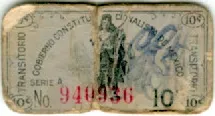
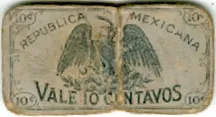
Design
Banxico
Obverse
Gobierno Constitucionalista
An engraved historical portrait in the center (Miguel Hidalgo) with the legend República Mexicana
Reverse
The Sun Stone or Aztec Calendar
About this banknote
Most 1915 Mexican 10 pesos banknotes from the Carranza government are worth between 5 and 40 USD to collectors, not the small fortune some sellers claim. Condition and the issuing bank decide almost everything. A crisp uncirculated note or a scarce regional issue can climb higher, but a worn, common example trades for pocket change.
If you inherited a box of old Mexican paper money, this note is one of the most common survivors from the Revolution era. That is good news for authenticity and bad news if you were hoping for a jackpot. Here is what actually drives the price.
What this note is
This is paper money issued by the Constitutionalist Government of Venustiano Carranza, under the 1915 decree. When Carranza led the Constitutionalist side against Victoriano Huerta, he printed his own currency to fund the fight and bring order to the monetary chaos of the Mexican Revolution. These "República Mexicana" issues were meant to give Carranza's government legitimacy against the rival notes printed by Pancho Villa, Emiliano Zapata and other factions.
The design leans hard on national symbols. The face (anverso) carries an engraved historical portrait at center, Miguel Hidalgo, the priest who launched Mexico's independence movement, with the legend "República Mexicana." The back (reverso) shows the Piedra del Sol, the Aztec Sun Stone often called the Aztec Calendar. That patriotic imagery was deliberate propaganda for a nation at war with itself.
What it is worth in 2026
This is historical paper money, over a century old, so the value is purely collector value. There is no legal-tender floor here: these notes were demonetized long ago and cannot be spent. Two things set the price, condition and the specific issue.
Revolution-era Mexican notes range from very common to genuinely scarce. The mainstream Carranza 10 pesos type is one of the most available, which keeps prices modest. Many notes circulated hard during a violent decade, so high-grade survivors are the exception, and grade is where the money is.
| Grade / type | Typical value (USD) | Notes |
|---|---|---|
| Well-worn, folds, tears | 3 to 10 | Common condition for this era |
| Circulated, clean, full note | 10 to 25 | The bulk of the market |
| Crisp Uncirculated (CU) | 30 to 80 | Sharp corners, no folds |
| Scarce regional / specimen | 100+ | Depends on the specific issue |
These are broad market ranges for the common Carranza type. Rare varieties, specimen notes, and error printings can sell for multiples of these figures. If you have a note, do not trust the first internet price. Compare it against verified sales before selling.
What makes one worth more
With Revolution-era notes, a few features push a common bill into collector demand:
- Condition (grade). A note with no folds, sharp corners and bright ink can be worth several times a limp, worn example of the same type. Collectors of world paper money (a hobby called notaphily) pay a real premium for eye appeal.
- Low or fancy serial numbers. A very low serial (like 0000012) or a palindrome (a radar note, reading the same forward and backward) adds demand.
- Printing errors. Genuine factory errors, misaligned cuts, ink smears, folded-over paper (butterfly folds), or repeated serial numbers, turn a common note into a rarity worth several times face. Note the difference: normal wear and handling damage is not a factory error.
- Scarcer issues. Not every 1915 note is common. Some regional or specimen printings survived in tiny numbers and command a premium regardless of the design.
Notes people think are worth a fortune (but usually aren't)
The biggest myth around old Mexican paper money is "it's a hundred years old, so it must be worth thousands." Age alone means very little in notaphily. The 1915 Carranza 10 pesos was printed in large quantities to fund a war, and plenty survived. A worn, common example is a 5 to 15 dollar note, full stop.
What is genuinely scarce are the specimen notes, certain low-mintage regional issues, and verified errors. If a seller quotes hundreds or thousands for a plain circulated note with no special features, walk away and check the price yourself.
How to check what yours is worth
- Identify the exact issue. Compare the design, serial format and signatures against reference images of Carranza-era República Mexicana notes. Small differences in issue can mean big differences in value.
- Grade it honestly. Look for folds, tears, stains, pinholes and missing corners under good light. A note is only "uncirculated" if it has never been folded.
- Confirm it is genuine. Check the paper feel, the sharpness of the engraving, and the ink. Reproductions tend to use smooth modern paper with flat, uniform color and blurry portrait lines. Genuine notes from this era have crisp engraved detail.
- Get a second opinion. For anything you think is scarce or error-bearing, professional grading (services like PMG certify world paper money) protects both you and a future buyer.
Where to sell it
To sell a 1915 Carranza 10 pesos safely, use collectors who know the series rather than a general marketplace. A verified numismatic dealer from the Pesoteca directory can appraise it on the spot, and the Pesoteca buy-and-sell forum puts you in front of collectors who actually want the note. Photograph both faces in bright, even light and note the serial number before listing. Avoid dumping it on general social media to the first offer, that is how good notes get undersold.
Not sure which issue you have, or think you spotted an error? Post clear photos of the front and back in the Pesoteca forum and let the community weigh in before you sell.
Historical context
This 10-peso note of the Constitutionalist Government of Mexico belongs to the issues that the faction of Venustiano Carranza put into circulation during the Mexican Revolution. Without a reliable national currency and with the treasury emptied by war, printing its own paper was the way to pay the troops and keep the government running in the territories it controlled.
The obverse features a portrait of Miguel Hidalgo, initiator of Independence, accompanied by the legend República Mexicana. Turning to a founding hero was not decorative: it served to dress the note in authority and present it as legitimate money of the country. The reverse shows the Sun Stone, a pre-Hispanic symbol turned into an emblem of national identity.
The obligatory context is the monetary chaos of the period, when dozens of issues from different factions coexisted and paper rapidly lost value while metal coin went into hiding. As a piece, this note illustrates how the Revolution was also waged in the economy, with each side manufacturing its own money to survive.
Frequently asked questions
How much is the 1915 Mexican 10 pesos Carranza banknote worth?
Most sell for 5 to 40 USD depending on condition, since this is the most common Revolution-era type. A worn note is a few dollars; a crisp uncirculated example can reach 30 to 80 USD. Scarce regional issues, specimen notes, and genuine printing errors sell for multiples of that.
Is the 1915 Carranza 10 pesos note rare?
The standard type is common, not rare. It was printed in large quantities to fund the Mexican Revolution and many survived. What is scarce is a note in truly uncirculated condition, a low or palindrome serial number, a specimen printing, or a verified factory error. Any of those raises the value well above the common range.
Where can I sell my 1915 Mexican 10 pesos banknote?
The safest options are a [verified numismatic dealer from the Pesoteca directory](/tiendas), who can value it in person, or the [Pesoteca buy-and-sell forum](/foro/compra-venta) among collectors. Photograph both faces in good light and record the serial number first. Avoid selling to the first bidder on general social media.
How can I tell if my 1915 Carranza note is genuine?
Check the paper and the engraving. Genuine notes from this era have crisp, sharp portrait lines and textured period paper. Reproductions usually show smooth modern paper, flat uniform color, and blurry detail. Compare the design, serial format and signatures against reference images. If you are unsure, post photos in the [Pesoteca forum](/foro) for a second opinion.
Familia REV
This banknote belongs to the BIL-REV family within the Sistema PSM . Explore all the banknotes that share origin, era and design with this piece.
Ver todos los billetes de la familia REV →